- Destination Focus: Curated insights and offbeat locations covered in this guide.
- Best Experienced: Slow travel, intentional homestays, and local heritage exploration.
- Trayati Recommendation: Reserve boutique accommodations in advance during peak seasons.
History & Significance
Binsar has a rich history that predates its status as a wildlife sanctuary. It served as the summer capital of the Chand Kings, who ruled the Kumaon region from the 11th to the 18th century. Later, during British rule, it continued as an official summer retreat for the Almora administration. The sanctuary was formally established in 1988 to protect the broad-leaved oak forests of the Kumaon Hills; ecosystems that sustain rivers, wildlife, and the water supply for millions of people downstream. At the summit stands the Binsar Mahadev Temple, a 17th-century Shiva shrine built by Kalyan Chand. There are 5 villages inside the sanctuary and 30 on its boundary, making Binsar a landscape where people and wildlife have coexisted for centuries. BirdLife International has officially designated Binsar as an Important Bird Area (IBA), one of the most significant ornithological recognitions in India.
Wildlife Binsar's forests span an altitude range of 900 to 2,500 metres, creating multiple ecological zones packed with biodiversity. Lower slopes carry subtropical broadleaf forests. Higher up, these give way to temperate oak, pine, deodar, and cedar. The highlight of Binsar's flora is the ruby-red rhododendron, which blooms in March - April and covers the hillsides in vivid scarlet.
Mammals found in Binsar
Indian Leopard — present but rarely seen; most active at dawn and dusk
Himalayan Black Bear — occasional sightings in summer
Barking Deer (Muntjac) — frequently encountered on morning walks
Musk Deer — common throughout the forest
Himalayan Goral — seen on rocky slopes
Serow — found along forest edges
Common Langur — active throughout the day
Wild Boar — often seen in the evenings
Red Fox — spotted on early morning walks
Red Giant Flying Squirrel — nocturnal, rarely seen; Jungle Cat, Porcupine, Pine Marten, Chital
While sightings are rare, pugmarks and scratch marks on trees are regularly spotted on deeper trails.
Birdwatching
Binsar is one of the finest birdwatching destinations in the Indian Himalayas. Over 200 bird species have been recorded here, earning it the Important Bird Area designation from BirdLife International.
Key species to look for:
Himalayan Monal — Uttarakhand's iridescent state bird, seen along forest edges in winter and spring
Himalayan Griffon Vulture — soars above Zero Point on thermal currents
Kalij Pheasant and Koklass Pheasant — frequently seen on morning trails
Laughing Thrush, Forktail, Nuthatches, Tits, Blackbirds, Woodpeckers — constant companions on every walk
Alexandrine and Slaty-headed Parakeets — bright flashes of green in the oak canopy
White-capped Water Redstart and Brown Dipper — found along forest streams
The best birdwatching hours are early morning (6–9 AM) and late afternoon (4–6 PM). A field guide to Himalayan birds and a pair of 8×42 binoculars will significantly improve your experience.
The Binsar Wildlife Sanctuary Museum near the forest gate houses mounted bird specimens and exhibits on local flora and fauna — a good first stop before entering the forest.
Trekking Routes and Things to Do Binsar
Zero Point Trek Distance: 2 km return | Time: ~2 hours | Difficulty: Easy The most popular walk in Binsar. A gentle trail through oak, pine, and cedar leads to the watchtower (Zhandi Dhar) at Zero Point. Guides can be hired at the KMVN rest house or the main gate. Sunrise here is one of the most spectacular experiences in Uttarakhand.
Khali Estate Trek Distance: 4–6 km | Time: 3–4 hours | Difficulty: Moderate Winds through the historic Khali Estate grounds, passing heritage bungalows set amid ancient oaks. Excellent for birdwatching in the early morning.
Mayoulikhan Trek Distance: 7 km | Time: 4–5 hours | Difficulty: Moderate to Challenging Takes you deeper into the sanctuary interior, past streams and meadows. High chance of encountering barking deer, goral, and langur. A guide is essential on this route.
Jageshwar Trek Distance: 17 km | Time: Full day | Difficulty: Challenging An epic trail connecting Binsar to the ancient Jageshwar temple complex — one of India's 12 Jyotirlingas. Excellent wildlife and birdwatching throughout, ending at one of Uttarakhand's most sacred sites.
Other activities:
Jeep Safari — guided tours into the sanctuary's eastern edges and hidden clearings
Wildlife Photography — one of Uttarakhand's best photography spots
Visit Binsar Mahadev Temple — a 17th-century Shiva shrine 6 km from the forest gate
Interpretation Centre — educational exhibits on Binsar's ecosystems, great for first-time visitors and families
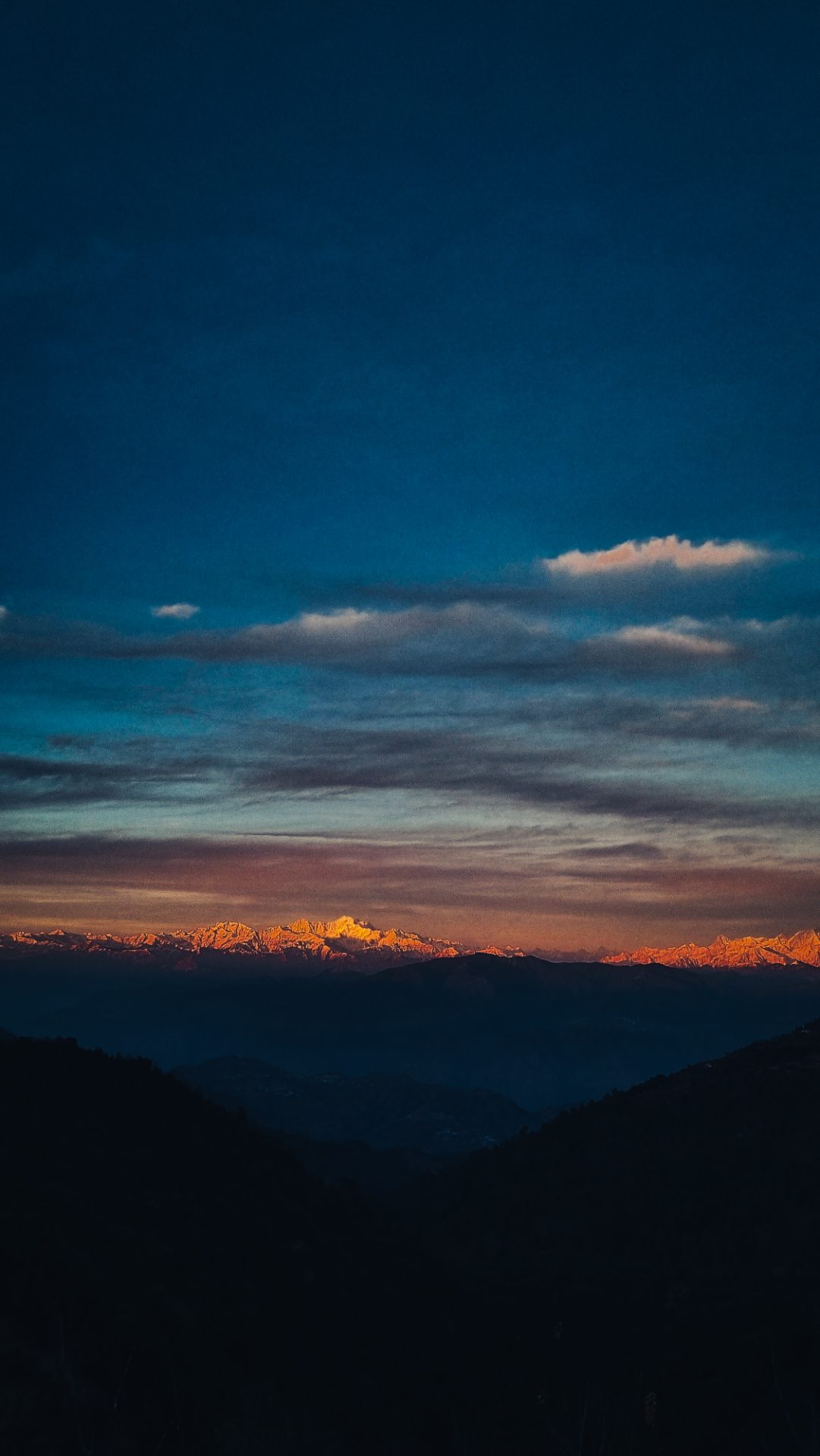
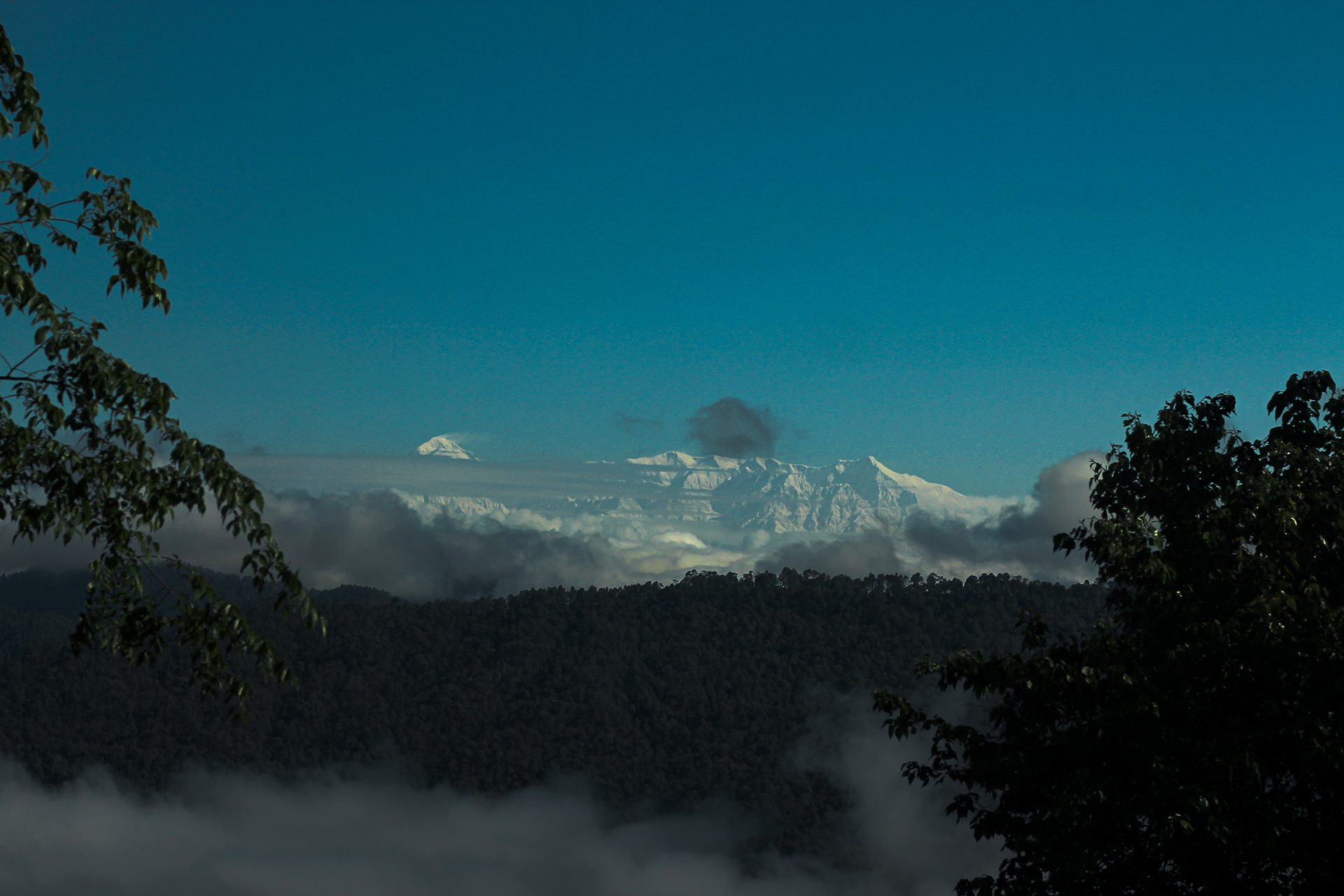
Binsar Zero Point is the highest viewpoint in the sanctuary and the crown jewel of the entire Kumaon region. Reachable after a 1.5–2 km walk from the forest rest houses, it commands an unbroken 300-kilometre panorama of the Central Himalayan range. On clear days, most common from October to March; you can simultaneously see Nanda Devi (7,816 m), Trishul, Chaukhamba, Kedarnath Peak, Shivling, Panchachuli, Nanda Kot, and the distant Gangotri massif. Sunrise at Zero Point is considered a bucket-list experience in Uttarakhand. Arrive 30 minutes before sunrise, carry a thermos, and prepare to be moved.
Best Time to Visit Binsar Wildlife Sanctuary
October to March - Best overall Clear skies, excellent Himalayan views, ideal wildlife spotting, and pleasant daytime temperatures. Nights can drop to 0°C in December–February, so pack warm layers. This is also the best period for birdwatching as resident and migratory species are both present.
March to April - Best for flora Rhododendrons bloom across the hillsides. Comfortable trekking temperatures. Excellent spring birdlife.
April to May - Best for mammal sightings Animals come to water sources as temperatures rise. Reduced foliage gives better forest visibility for spotting wildlife.
June to September - Avoid Heavy monsoon rainfall makes trails slippery and dangerous. Landslide risk is high. Views of the Himalayas are obscured for most of this period.
How to Reach Binsar Wildlife Sanctuary
By Air: Pantnagar Airport is the nearest airhead, approximately 150 km away. Taxis from the airport to Almora take 3–4 hours. From Almora, Binsar is another 45–60 minutes by taxi.
By Train: Kathgodam Railway Station is the nearest major railhead, 120 km from Binsar. It is well-connected to Delhi, Lucknow, and Dehradun. Shared taxis and buses to Almora run regularly from outside the station.
By Bus: Overnight buses from Delhi's Anand Vihar ISBT to Almora depart regularly (9–10 hours). From Almora bus stand, shared taxis reach Binsar in 45–60 minutes.
By Road: From Delhi Drive via NH9: Delhi → Moradabad → Rudrapur → Haldwani → Almora → Binsar. Total distance is approximately 370 km, taking 8–9 hours. A scenic and highly recommended road trip.
Note: The final road from Almora to Binsar is steep and narrow. A 4WD vehicle is recommended, especially in winter.
Where to Stay in Binsar
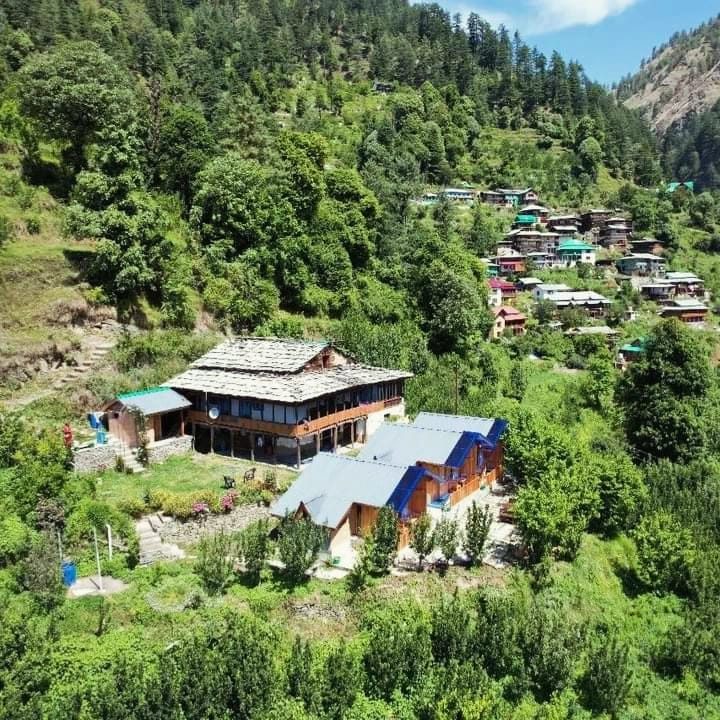
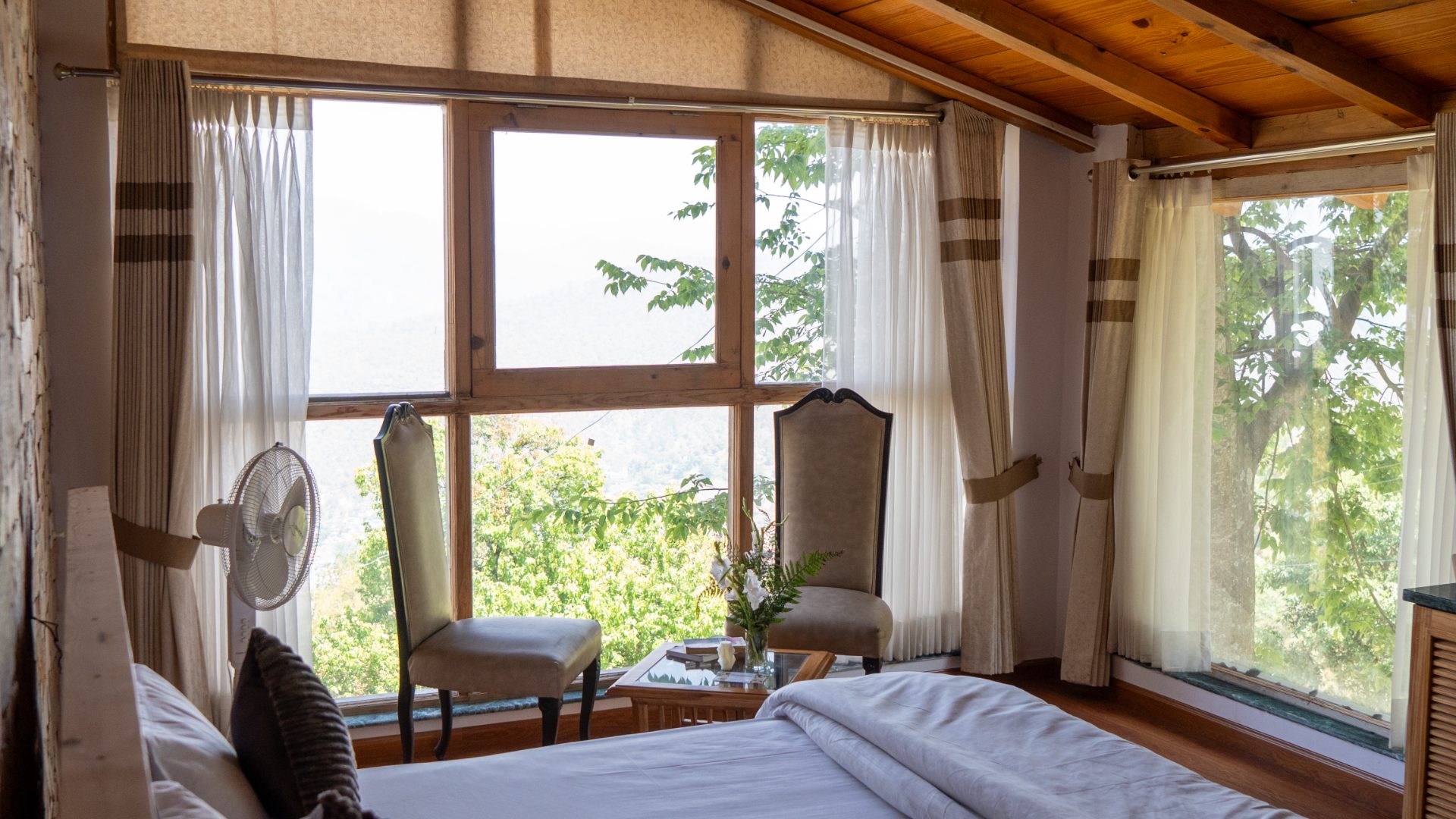
KMVN Tourist Rest House: The most accessible base, located inside the sanctuary. Book in advance via the official KMVN website (kmvn.in). Fills up months ahead during October–March peak season. Heritage Estates and Eco-Stays: Several restored heritage bungalows and eco-lodges operate in and around Binsar. The Mary Budden Estate is particularly well-regarded for its atmosphere, food, and guided walks. Village Homestays: The most authentic option. Surrounding villages offer homestays with home-cooked Kumaoni meals and direct access to local knowledge and forest trails. Electricity is intentionally limited inside the sanctuary to preserve its natural character. Carry a power bank and headlamp. Book accommodations at least 2–3 months in advance for the peak season.
Entry Fee and Practical Tips
Entry fee: ₹40 per person (Indian nationals) + ₹50 per vehicle No ATMs inside the sanctuary — carry sufficient cash Hire a local guide at the forest gate for deeper trails Best wildlife hours: 5:30–9 AM and 4–6 PM Wear muted colours; avoid bright clothing in the forest Single-use plastics are banned inside the sanctuary Mobile network is patchy on most trails Bring warm layers even in spring — mornings can be 3–8°C Pack binoculars, sunscreen, a refillable water bottle, and insect repellent 2026 update: New guided eco-tours and nature walks are being introduced; ask your accommodation or the forest gate for current schedules
Nearby Attractions
Jageshwar Dham (~50 km): A cluster of 124 ancient Shiva temples set in a deodar forest. One of India's 12 Jyotirlingas and an unmissable side trip from Binsar.
Almora Town (~33 km): The cultural capital of Kumaon. Famous for its bazaars, Chitai Golu Devta Temple, Kasar Devi, and the traditional sweet bal mithai.
Lakhudiar Rock Art (~8 km on the Almora–Binsar road): Ancient megalithic cup-shaped rock carvings from the prehistoric period. A rarely visited archaeological site.
Munsiyari (~96 km): A remote mountain village at the base of the Panchachuli glaciers, often called "Little Kashmir." A 2-day extension for serious Himalayan travellers.
Jim Corbett National Park (~150 km): India's oldest national park and tiger reserve. Pairs perfectly with Binsar for an Uttarakhand wildlife circuit.
Frequently Asked Questions
Q. What is the best time to visit Binsar Wildlife Sanctuary?
A. October to March is the best overall time — clear skies, excellent wildlife activity, and the finest Himalayan views. March–April is ideal for rhododendron blooms. Avoid the monsoon season from June to September.
Q. What is the entry fee for Binsar Wildlife Sanctuary?
A. ₹40 per person for Indian nationals and ₹50 per vehicle. Camera charges may apply for professional equipment. Carry cash as there are no ATMs inside.
Q. How far is Binsar from Delhi?
A. Approximately 370 km by road, taking 8–10 hours via Haldwani and Almora.
Q. Can I see leopards in Binsar?
A. Leopards are present but sightings are rare. Your chances improve on longer trails like Mayoulikhan with an experienced local guide. Pugmarks and scratch marks on trees are more commonly seen than the animal itself.
Q. How many days do I need at Binsar?
A. A minimum of 2–3 nights is recommended. This allows for a Zero Point sunrise, two full trekking days, birdwatching sessions, and a jeep safari. Birdwatchers and photographers often stay 4–5 days.
Q. Is Binsar good for families with children?
A. Yes. The Zero Point trek is manageable for children aged 7+. Deer and langur sightings are frequent and exciting for kids. The Interpretation Centre provides a good educational introduction to the sanctuary.
Q. What should I pack for Binsar?
A. Warm layers, a waterproof jacket, sturdy trekking shoes, binoculars, sunscreen, a refillable water bottle, insect repellent, a torch or headlamp, and sufficient cash. A field guide to Himalayan birds is highly recommended.
Shivangi Singh
AuthorContributing editor at Trayati Stays, documenting calm mountain retreats, architectural treasures, and mindful hospitality across India.