- Destination Focus: Curated insights and offbeat locations covered in this guide.
- Best Experienced: Slow travel, intentional homestays, and local heritage exploration.
- Trayati Recommendation: Reserve boutique accommodations in advance during peak seasons.
When was the last time you saw the Milky Way with the naked eye? For most of us living in Delhi, Mumbai, or Bangalore, the answer is "never."
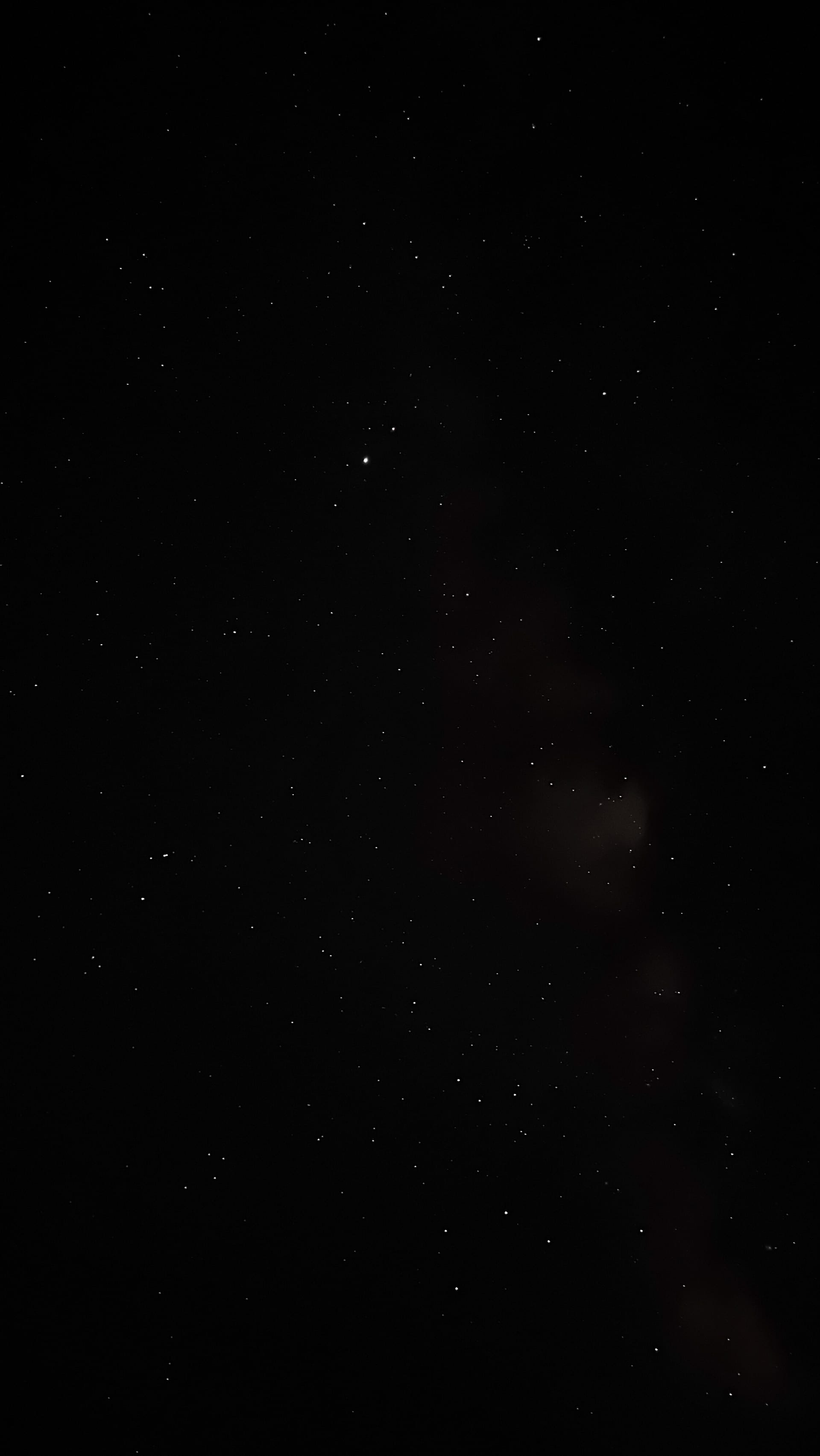
But at 2,100 meters above sea level, perched on the Kasar Devi ridge, the atmosphere is so thin and crisp that the stars don't just twinkle, they glow. Whether you are an amateur astronomer, a seasoned photographer, or a couple looking for the most romantic backdrop on Earth, Kasar Devi offers a celestial theater unlike any other.
- The Dark Sky Advantage: Why Kasar? While travelers often search for the best dark sky parks in India, they usually look toward Ladakh or Spiti. However, Kasar Devi has emerged as a preferred alternative in 2026 because of its accessibility and unique atmospheric conditions.
Because the ridge is situated away from major industrial hubs, the "Bortle Scale" (the measure of night sky brightness) here is incredibly low. On a clear night, the Orion Nebula, the Pleiades star cluster, and the galactic core of our own Milky Way are visible from your balcony.
- Full Moon Meditation: Aligning with the Lunar Cycle There is a reason spiritual seekers flock here during the Purnima (Full Moon). Full moon meditation in Kasar Devi is a bucket-list experience for the modern "Glowmad."
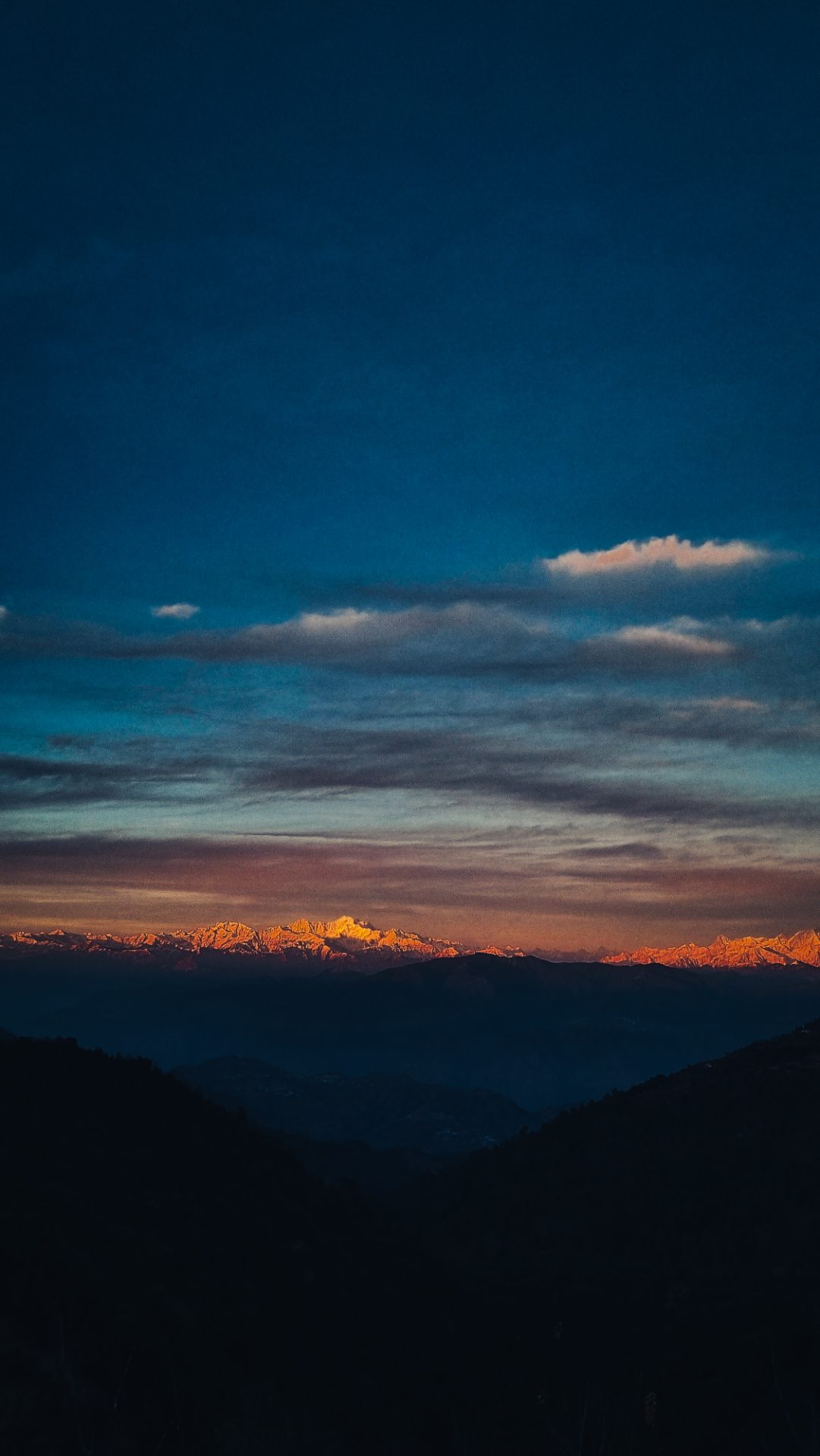
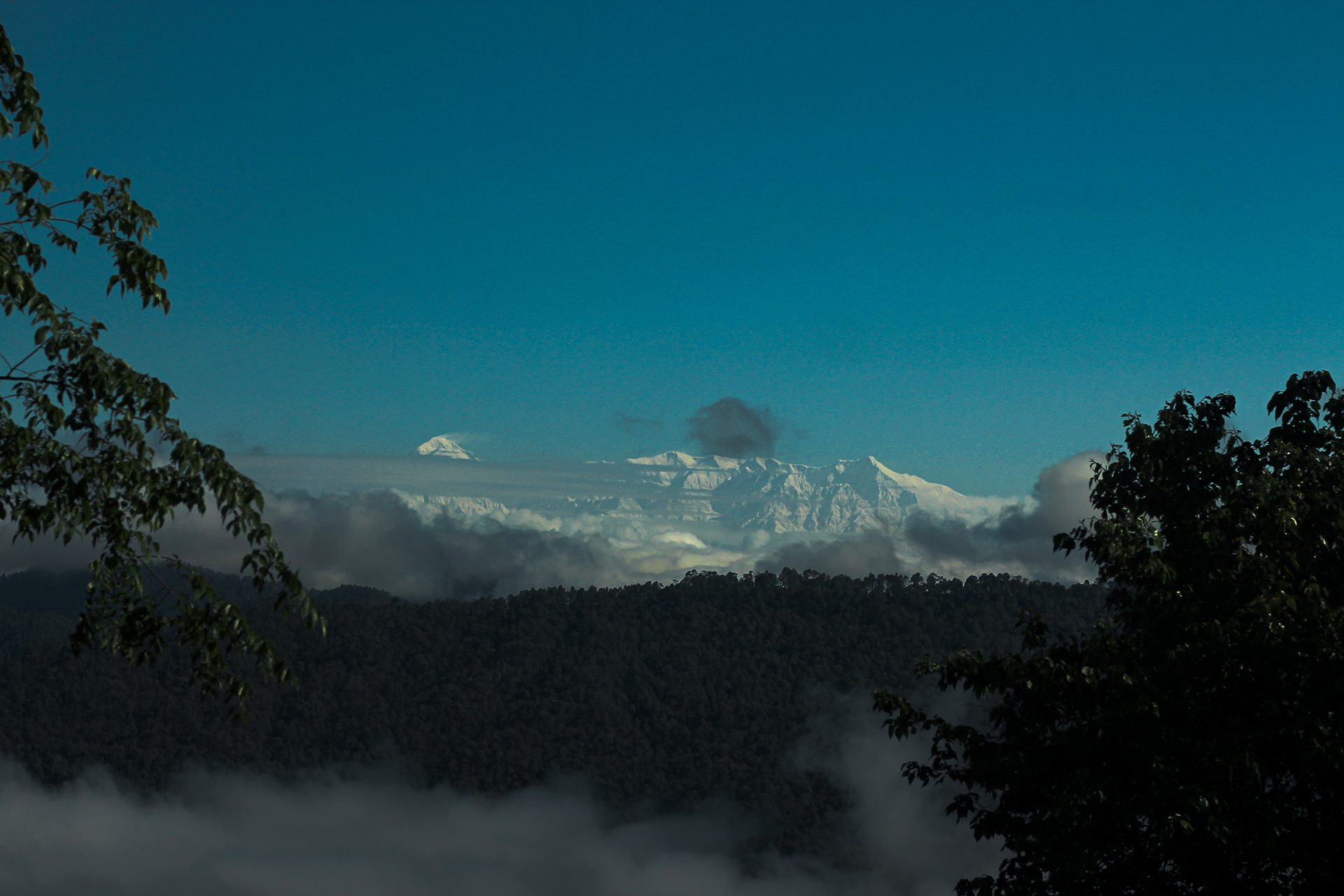
The theory? The ridge’s position within the Van Allen Belt, a geomagnetic anomaly, is said to amplify the lunar energy. Whether you believe the science or the soul of it, meditating under a Kasar full moon, as the snow-capped Nanda Devi peak glows like a ghost in the distance, is a transformative experience. It is the ultimate "cosmic reset."
- Astrophotography Stays: Capturing the Infinite For the hobbyist photographer, the ridge is a playground. Searching for astrophotography stays in Uttarakhand often leads travelers to overcrowded spots, but Kasar Devi offers the "Quiet Frame."
The Foreground: Use the ancient deodar trees or the silhouettes of the Kumaon peaks to frame your shots.
The Technicals: With zero light pollution behind the ridge, you can capture long-exposure shots of star trails or the deep purples and pinks of the galactic center without the orange "glow" of city lights.
Our property is specifically designed for the night-owl traveler. We offer wide-open terraces and "lights-out" hours to ensure your long-exposure shots are never ruined by a stray porch light.
- Celestial Events to Watch for in 2026 If you’re planning your trip, keep an eye on the astronomical calendar.
The Perseid Meteor Shower (August): Witness up to 100 "shooting stars" per hour from the comfort of a lounge chair.
Winter Constellations: The winter sky in Kasar is the clearest of the year, offering HD views of Sirius and the Hunter (Orion).
Lunar Eclipses: Watching the moon turn "blood red" over the Himalayas is a sight that no camera can truly capture—you have to be there.
- Romance Under a Billion Stars Forget dinner and a movie. In 2026, the ultimate date night is a "Starlit Session." Imagine a private bonfire, a warm Himalayan blanket, and a telescope pointed toward Saturn’s rings. It is the height of "Slow Travel", where the only thing moving is the earth on its axis.
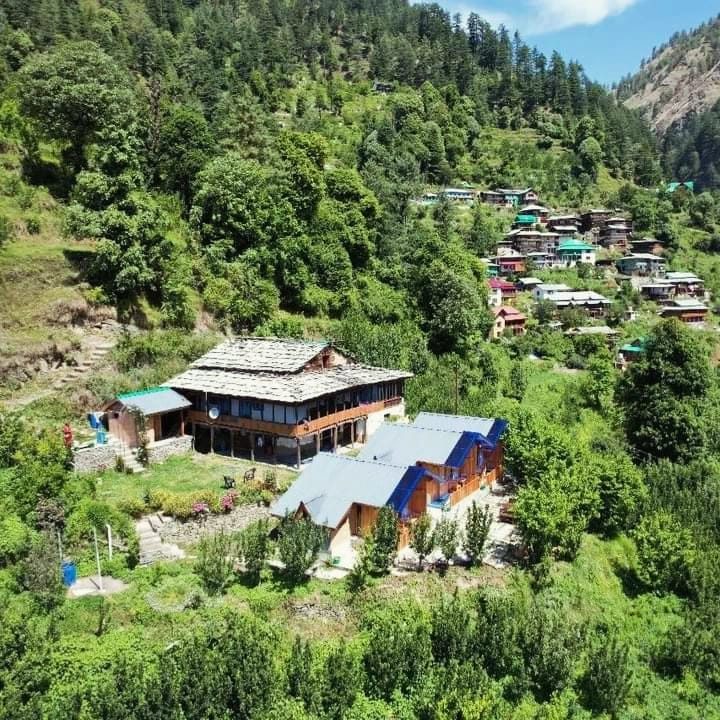
Your Observatory Above the Clouds At Samar Villa, we don't just give you a room; we give you a front-row seat to the universe. Our Kasar Devi stay is built on the highest point of the ridge, ensuring that your view of the heavens is entirely unobstructed.
Ready to find your place in the universe?
Rahul Maurya
AuthorContributing editor at Trayati Stays, documenting calm mountain retreats, architectural treasures, and mindful hospitality across India.