- Destination Focus: Curated insights and offbeat locations covered in this guide.
- Best Experienced: Slow travel, intentional homestays, and local heritage exploration.
- Trayati Recommendation: Reserve boutique accommodations in advance during peak seasons.
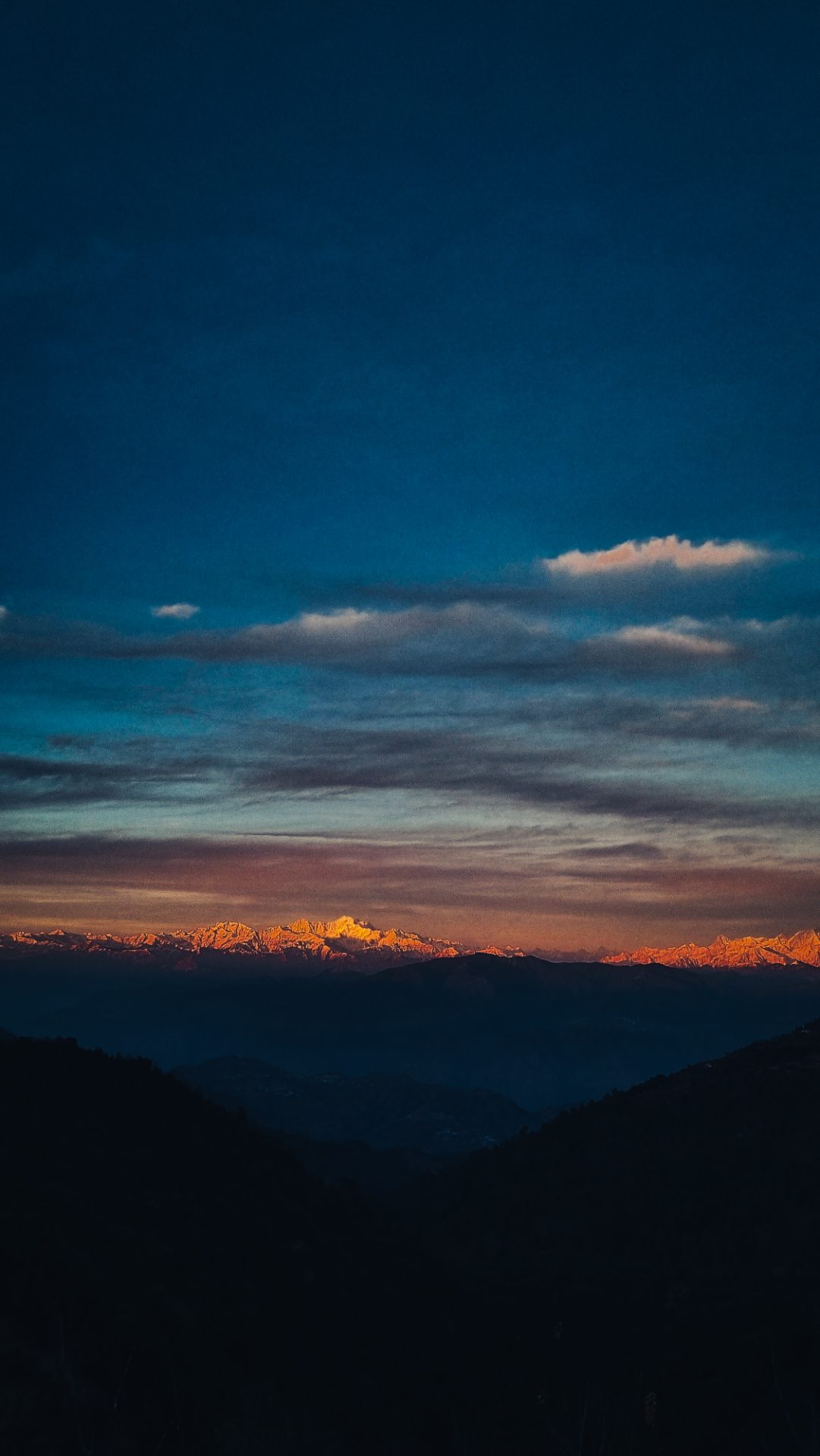
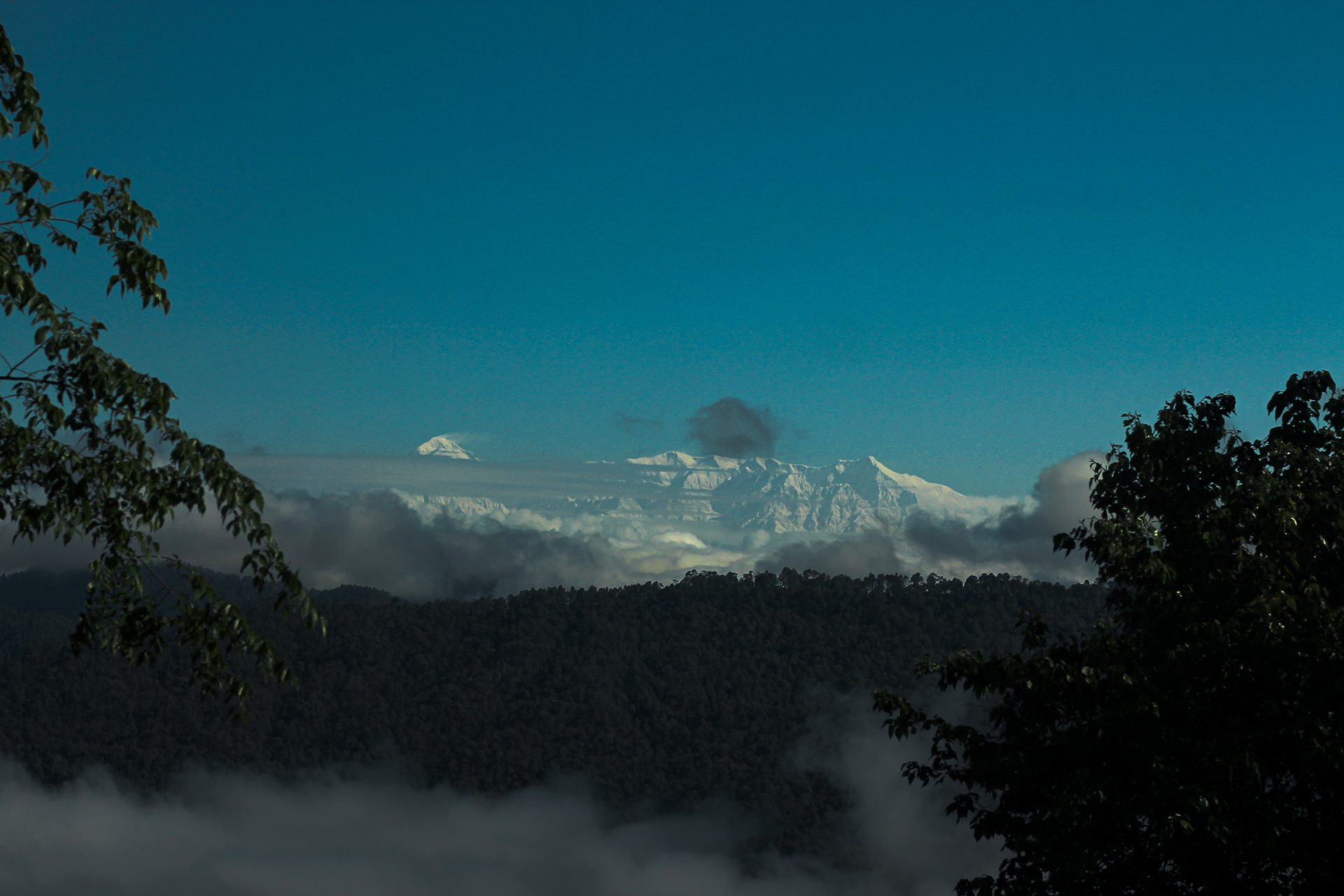
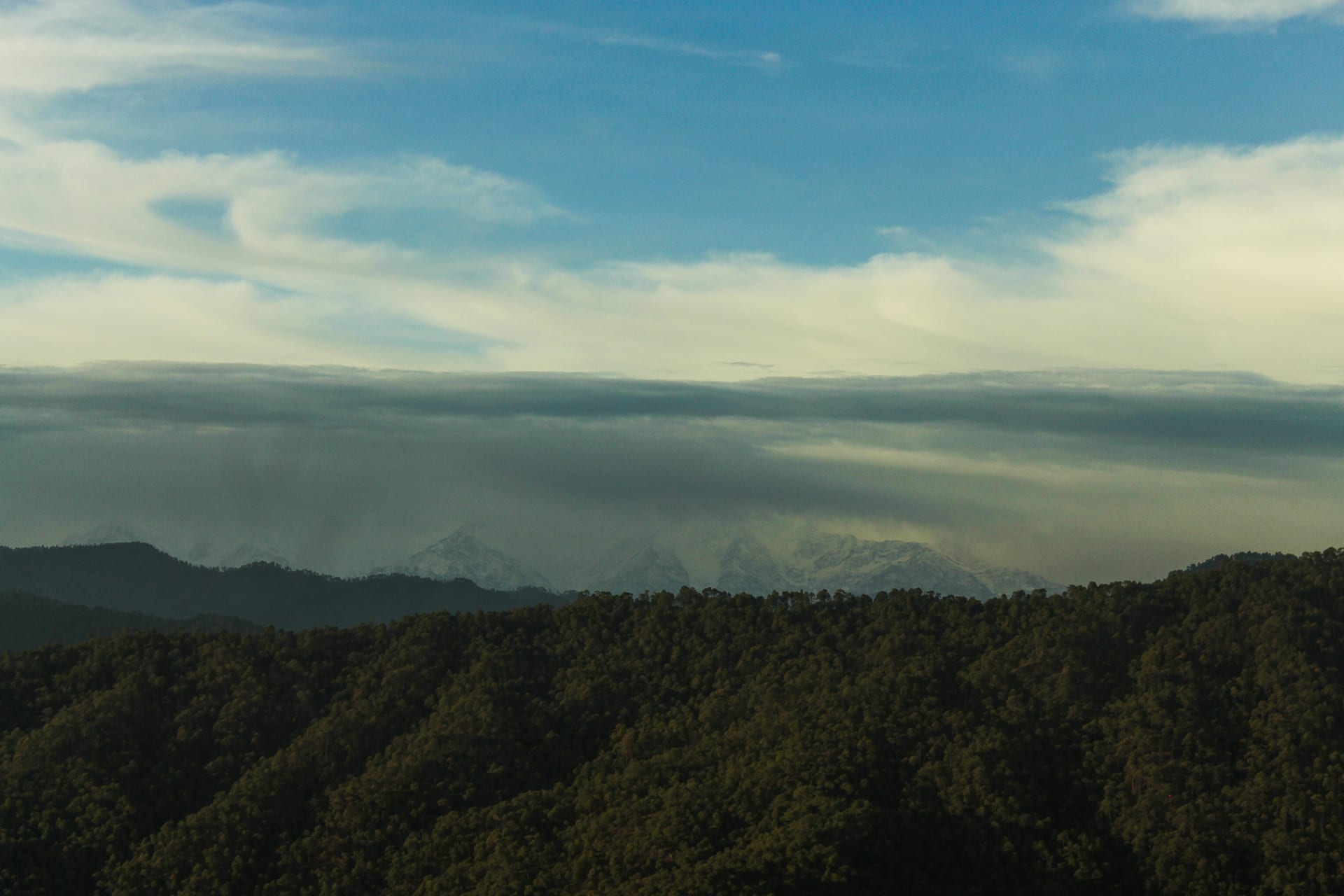
There is a certain kind of travel that has nothing to do with sightseeing and everything to do with slowing down enough actually to feel a place. Laida Village in Himachal Pradesh is that kind of destination. Perched on a forested hilltop in the Banjar Valley of Kullu district, Laida is a traditional pahadi village surrounded by apple orchards, ancient oak forests, and snow-dusted ridgelines. It sits close enough to Jibhi and the Great Himalayan National Park to work as a base for adventure, and far enough from the mainstream tourist circuit to feel like you have genuinely found something.
Most travellers who come here come once and think about it for a long time afterwards. This is your complete guide to Laida Village; what it is, what to do, where to stay, when to visit, and how to get there.
1. What is Laida Village?
Laida is a small, traditional village in the Banjar subdivision of Kullu district, Himachal Pradesh. It sits high on a hillside above the Banjar Valley, surrounded by dense Himalayan forest on three sides and terraced agricultural land on the fourth. The village is home to a small population of families who have farmed this land for generations — growing apples, apricots, and seasonal vegetables, largely dependent on agriculture and deeply connected to the surrounding forest ecosystem. The postal address places it in Tehsil Banjar, Post Office Chanon, District Kullu — but the easiest way to understand where Laida is roughly 20–30 minutes by road from Jibhi, and within an hour of the Great Himalayan National Park's Tirthan Valley entry point. What makes Laida different from most Himachali villages that attract visitors is the specific quality of its setting. It is not on a major road. It does not have a famous temple or a famous viewpoint. What it has is a rare and increasingly precious combination — authentic village life, extraordinary natural surroundings, and an elevation that gives it views most travellers never see.
2. Why Laida is Worth Your Time
The honest answer is: because places like this are disappearing. Himachal Pradesh is changing fast. Villages that were quiet and traditional a decade ago are now lined with guesthouses, cafes playing lo-fi music, and souvenir stalls. The travellers who found those places first will tell you something was lost in the process of being discovered. Laida is not there yet. The community here still wakes up to farm work, still observes its village festivals with full participation, and still builds and repairs its homes in the traditional Kath Kuni style — alternating layers of deodar wood and stone, constructed without cement or nails, earthquake-resistant and architecturally extraordinary. Spending time in Laida is an education in how mountain communities actually live — not a performance of it, but the real thing. You see the orchards being managed at dawn. You hear the village deity's festival music drifting up the hill. You sit on a wooden veranda watching clouds pour over a ridge and realize you have no particular desire to go anywhere. That quality of stillness is genuinely rare. Laida still has it.
3. Things to Do in and Around Laida
Kelotandi Peak Trek
This is the main trek from Laida and one of the finest easy-to-moderate walks in the Banjar Valley. The trail begins at the edge of the village and climbs through the forest — past a clear mountain stream, through sections of old oak and rhododendron — to the summit of Kelotandi at 8,592 feet (2,619 m). From the top, the views open dramatically: the Paldi Valley and the valleys of Laida spread below in a landscape of rice terraces, dark forest, and mist-covered ridgelines. On a clear day, snow peaks are visible to the north. On a misty day, the cloud movement across the valley is itself worth the climb. Total distance: approximately 6 km return.
Time: 3–4 hours.
Difficulty: easy to moderate. No technical skill required.
A local guide can be arranged through your homestay. Apple and Apricot Orchards Laida's economy is built substantially on fruit farming, and the orchards surrounding the village are both working agricultural land and genuinely beautiful places to spend an hour. In season — late August through October for apples, June for apricots — the fruit is at its peak and hosts will often take you out to pick directly from the trees. Even outside harvest season, walking through the orchard terraces gives you a sense of the careful, patient relationship the village has with its land.
Village Walks and Kath Kuni Architecture
The traditional buildings of Laida are worth looking at slowly. Kath Kuni is an ancient Himalayan construction style found throughout the Kullu and Kangra valleys — buildings made from interlocking layers of deodar timber and flat stone, assembled without cement, nails, or metal fasteners of any kind. The result is a structure that flexes slightly in earthquakes rather than cracking, which is why many Kath Kuni buildings in this region are centuries old and still standing. Walk through the village and look at the joinery, the layering, the way windows are framed and doors hung. These buildings are vernacular engineering of a high order.
Forest Walks and Birdwatching
Laida sits immediately adjacent to Himalayan forest, which means serious birdwatching begins the moment you step off any path. The mixed oak, deodar, and rhododendron woodland here supports a rich population of Himalayan bird species. Species commonly seen in and around Laida include the Himalayan Monal (Uttarakhand and Himachal's most spectacular bird — iridescent, pheasant-sized, unmistakable), Koklass Pheasant, Kalij Pheasant, various species of laughing thrush, Himalayan Woodpecker, Eurasian Jay, and numerous warblers, nuthatches, and tits. Dawn and dusk are the most productive hours. Carry binoculars.
The Secret Waterfall
Several small waterfalls are tucked into the forest above Laida, slightly off the main trails and largely unknown to passing visitors. Ask your host at Laida Heaven Homestay to point you toward the closest one — it involves a short bushwalk through the trees and emerges at a cascade in a clearing that feels entirely private. These are not signposted or developed in any way, which is entirely the point.
Village Festivals
Laida observes two festivals worth knowing about: Masque Festival (February): A traditional ceremony to ward off negativity at the start of the agricultural year. Involves masks, ritual music, and community participation. One of the most atmospheric and least-documented festivals in the Banjar Valley. Village Deity Festival (April): A celebration centred on the local devta (deity), with processions, traditional music, and communal feasting. Deeply rooted in the village's spiritual geography — each devta in Himachal has its own history, stories, and territory, and watching a village honour theirs is an experience that connects you to something genuinely ancient. If your travel dates overlap with either festival, arrange your visit around them. You will be welcomed respectfully, and the memory will last.
4. Where to Stay
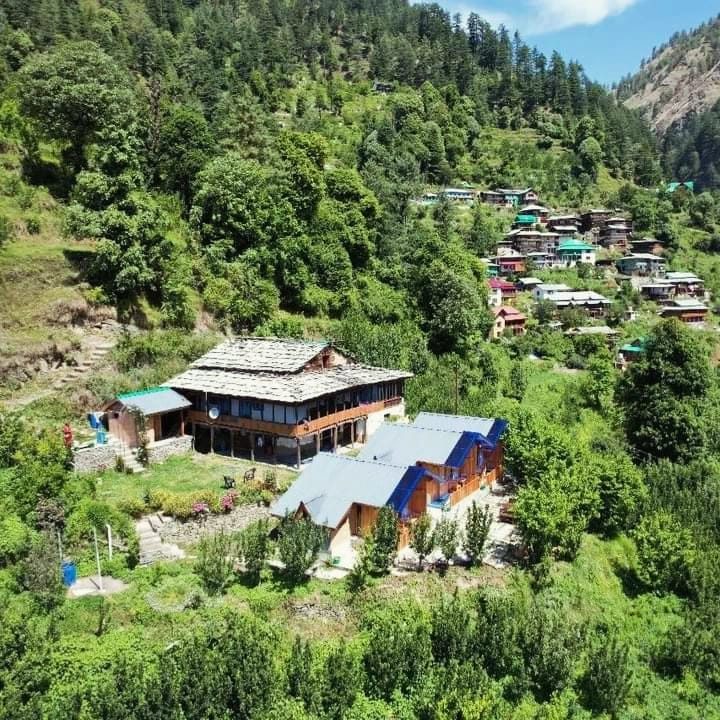
Laida Heaven Homestay by Trayati Stays is the anchor property in Laida and, for most travellers to this region, the reason Laida is on the itinerary at all. Situated high on the Laida hillside with views across the valley and toward the snow peaks to the north, the homestay is built in the Kath Kuni tradition — thick wooden walls, stone detailing, a structure that has warmth built into its very material. The veranda faces west, which means golden evening light on the mountains opposite and sunsets that give you no reason to be anywhere other than exactly where you are. This is a hosted stay in the fullest sense. The hosts are from the village, their knowledge of the land is encyclopaedic, and the meals are cooked from local produce — seasonal vegetables from the terraces below, freshly made roti, traditional Himachali dishes prepared the way they are actually made in this valley, not adapted for tourist expectations.
What makes it the right base for Laida: The Kelotandi trek begins within walking distance of the property. The orchard walks are immediate. The forest birdwatching starts at the garden edge. For those wanting to explore further, Jibhi is 20–30 minutes by road, the GHNP Tirthan Valley entry is 45–60 minutes, and Jalori Pass is about an hour. Ideal for: Slow travellers, couples, solo writers and remote workers, families wanting children to experience genuine mountain village life, anyone who needs to genuinely rest.
To book: Contact Trayati Stays directly for rates, availability, and arrival guidance. Rooms are limited — book well in advance for the March–June and September–November peak seasons.
5. Best Time to Visit Laida Village
March to June — Best for trekking and blooms The forest comes alive in spring. Rhododendrons bloom in March–April, covering the hillsides in deep red. The Kelotandi trail is in perfect condition, temperatures are ideal for walking (cool mornings, warm afternoons), and the valley below is luminously green. April is also when Laida's village deity festival takes place. This is one of the two best windows for a visit.
September to November — Best overall Post-monsoon Laida is extraordinary. The apple harvest is in full swing from September through October — the orchards are heavy with fruit, the air smells of ripeness, and the village is at its most active and alive. Mountain views are sharpened by freshly washed air. Temperatures are perfect. Trekking conditions are excellent. This is the finest season for a complete Laida experience.
December to February — Snow and deep quiet Winter in Laida is cold, still, and beautiful. Snow covers the orchards and the forest floor. The village slows to its most elemental rhythm. February brings the masque festival. Road access to higher passes is closed, but the valley experience — fire in the evenings, heavy woollens, home-cooked food, absolute silence broken only by birdsong — is deeply satisfying for the right kind of traveller.
July to August — Monsoon Heavy rainfall and the real risk of landslides on mountain access roads. The landscape is spectacularly lush and green. Experienced travellers who accept the limitations find the monsoon Laida atmospheric and uncrowded. Trekking into higher terrain is not advisable.
6. How to Reach Laida Village
Laida is in Tehsil Banjar, Kullu district. The nearest town with ATMs and bus connections is Banjar, approximately 15 km away.
By Air: Kullu–Manali Airport (Bhuntar) is the nearest airport, approximately 60–70 km from Laida. Flights connect from Delhi, Chandigarh, and Mumbai. Taxis from the airport to Laida take approximately 90 minutes to 2 hours.
By Bus: from Delhi HRTC and private operators run overnight buses from Delhi (ISBT Kashmere Gate) to Aut or Banjar. Journey time: 11–13 hours. From Banjar, local taxis cover the final stretch to Laida village (approximately 15 km, 30–40 minutes on mountain road).
By Road: Self-drive Delhi to Laida: approximately 500–520 km via NH44 → Chandigarh → Bilaspur → Mandi → Aut → Banjar → Laida. Total driving time: 10–12 hours. A 4WD vehicle is recommended for the final approach into the village, especially in winter or monsoon season. From Shimla: approximately 200 km via Narkanda and Anni, 5–6 hours. From Manali: approximately 95 km via Kullu and Aut, 2.5–3 hours. Note on the last stretch: The road from Banjar into Laida is a narrow mountain track. Drive slowly, do not attempt it after dark on a first visit, and confirm conditions with your homestay before arrival in monsoon or winter.
7. A 3-Day Laida Itinerary
Day 1 — Arrive, Settle, Breathe Reach Laida by afternoon. Check into Laida Heaven Homestay by Trayati Stays. Take a slow walk through the village — look at the Kath Kuni houses, the terraced fields below, the forest edge above. Dinner at the homestay: home-cooked Himachali food with seasonal vegetables. Sleep early. The birds start before dawn here, and you want to be awake for them.
Day 2 — Kelotandi Trek and Orchard Walk Early start (6 AM): birdwatching from the homestay garden or the forest path above the village. After breakfast, begin the Kelotandi Peak trek — 6 km return, 3–4 hours, through forest and along a mountain stream to the summit at 8,592 feet. Rest at the top. Take in the view. Return by early afternoon. If in season, visit the orchards with your host. Late afternoon: sit on the veranda and watch the light change on the ridge opposite. Bonfire in the evening if the temperature calls for it.
Day 3 — Forest Walk, Secret Waterfall, Village Festival (if in season) Morning: ask your host to guide you to the hidden waterfall above the village. This is a 1–2 hour walk through forest, entirely off any marked trail, ending at a cascade in a clearing. Take your time there. Afternoon: explore the village further, photograph the traditional architecture, talk to your hosts about the history of the devta festival and the village's relationship with the forest. If departing, leave after lunch — the road from Banjar to the highway is easiest in daylight.
8. Local Food and Culture in Laida
What to Eat Siddu — The defining dish of the Banjar Valley. A steamed wheat bread, leavened overnight, stuffed with walnuts, poppy seeds, or lentil paste. Served with ghee or green coriander chutney. Every homestay has a slightly different version and each one is worth trying.
Chana Madra — A slow-cooked chickpea curry in a yoghurt and spice base, flavoured with cinnamon, cardamom, and cloves. A Sunday dish in most Himachali homes, elevated by the quality of local spices.
Babru — A black gram-stuffed flatbread, pan-fried and eaten for breakfast with pickle or yoghurt. Simple, filling, and genuinely delicious.
Fresh Apple and Apricot — In season, the fruit from Laida's orchards is extraordinary. Nothing prepares you for a just-picked Himachali apple still warm from the afternoon sun.
Local Honey — The forests around Laida support wild beehives, and local honey is often available from village families. Darker and more complex than anything commercially produced.
Cultural Life
The community of Laida is tied to its devta — its village deity — in a way that organises the entire social and spiritual calendar. The devta has a specific territory, a specific history, and specific festivals. These are not folkloric performances; they are the living religious practice of the community. When you are in Laida during a festival period, you are a respectful guest at something real. The Kath Kuni buildings are similarly living culture, not museum pieces. Families still build and repair in this style. If you see construction happening during your visit, watch it. You are watching one of the finest vernacular building traditions in the Himalayas still in active use.
9. Nearby Attractions from Laida Jibhi Village (~20–30 minutes by road)
The most famous offbeat destination in the Banjar Valley. Jibhi waterfall, wooden bridge walks, Mini Thailand rock pools, excellent cafés, and a lively creative traveller community. A perfect half-day or full-day excursion from Laida. Great Himalayan National Park, Tirthan Entry (~45–60 minutes) The UNESCO World Heritage wilderness area. Entry at Gushaini or Neuli; permits and guides available at the check post. Trek into the Tirthan Valley core for birdwatching, river walks, and old-growth forest. A full-day excursion from Laida.
Jalori Pass (~60–75 minutes by road) At 10,800 feet, Jalori Pass offers panoramic Himalayan views and is the starting point for the Serolsar Lake trek (5 km through forest to a high-altitude lake with a small temple). Typically accessible April–October.
Chehni Kothi (~20 km) A 350-year-old, 12-storey fortified tower in Kath Kuni style — built entirely without cement or nails, still standing and still sacred. One of the most extraordinary buildings in Himachal Pradesh and almost entirely unknown to most visitors. Banjar Town (~15 km) The local administrative centre. ATMs, pharmacies, a weekly market, and a functional Himachali bazaar. Worth a visit to stock up and see how the valley's commercial life operates.
10. Travel Tips and Essentials
Cash is essential. The nearest ATM is in Banjar town (~15 km). Carry enough for your entire stay. Mobile signal is limited in Laida. Inform someone of your plans before heading into the forest or onto the Kelotandi trail. Carry warm layers regardless of season. Evenings drop significantly at this altitude even in summer. Hire a local guide for the Kelotandi trek and especially for the hidden waterfall walk. Your homestay can arrange this and the income directly benefits village residents. Respect the festivals. If you visit during the masque festival or the devta festival, observe quietly and follow your host's guidance on appropriate behaviour and photography. No ATMs, no pharmacy inside the village. Carry a personal first-aid kit with ibuprofen, bandages, and altitude sickness tablets. Leave no trace. The forest around Laida is pristine. Carry all waste out. Do not pick plants or disturb wildlife. Book Laida Heaven Homestay early. Rooms are limited and the peak seasons fill months in advance.
11. Frequently Asked Questions
Where exactly is Laida Village? Laida is in Tehsil Banjar, Kullu district, Himachal Pradesh. Postal address: Village Laida, Post Office Chanon, Tehsil Banjar, District Kullu, Pin 175123. It is approximately 15 km from Banjar town and 20–30 minutes by road from Jibhi. Is Laida the same as Jibhi? No. Laida and Jibhi are two separate villages, roughly 20–30 minutes apart by road. Jibhi is in the valley, better-known, and slightly more developed. Laida is higher up on the hillside, quieter, more traditional, and less visited. They complement each other perfectly as a combined trip.
What is the Kelotandi trek like? The Kelotandi trek is approximately 6 km return, gaining altitude from Laida village to the Kelotandi summit at 8,592 feet. The trail passes through forest and alongside a mountain stream. Difficulty is easy to moderate — suitable for anyone with a reasonable level of fitness. No technical equipment required. A local guide is recommended and can be arranged through Laida Heaven Homestay. Is Laida suitable for a solo traveller? Yes. The village is safe and the community is welcoming. Laida Heaven Homestay by Trayati Stays provides a hosted environment, which means solo travellers have a point of contact, guidance, and company if they want it. The Kelotandi trek can be done solo but is better with a local guide. When do the apple orchards come into fruit? Apricots ripen in June. Apples (the main crop) are ready from late August through October, depending on variety. The peak apple harvest season is September–October, which coincides with the best overall travel season for this region.
How many days should I spend in Laida? A minimum of 2 nights gives you time to settle, do the Kelotandi trek, and walk the forest and orchards. Three nights is ideal for a full experience including a day excursion to Jibhi or GHNP. Longer stays are deeply rewarding — Laida is the kind of place where the longer you stay, the more you notice.
What is Kath Kuni architecture? Kath Kuni is a traditional Himalayan building style found across the Kullu and Kangra valleys. Buildings are constructed using alternating horizontal layers of deodar wood and flat stone, assembled without cement, nails, or metal of any kind. The interlocking structure gives the building flexibility in earthquakes. Many Kath Kuni buildings in the Banjar Valley are centuries old and still in active use. Laida has several fine examples.
How do I book Laida Heaven Homestay by Trayati Stays? Book directly through Trayati Stays for the best rates, personalised guidance on arrival, and help planning your time in the village. The property has limited rooms, so advance booking is essential for the October–November and March–May peak windows.
Ibn-e-Batuta
AuthorContributing editor at Trayati Stays, documenting calm mountain retreats, architectural treasures, and mindful hospitality across India.