- Destination Focus: Curated insights and offbeat locations covered in this guide.
- Best Experienced: Slow travel, intentional homestays, and local heritage exploration.
- Trayati Recommendation: Reserve boutique accommodations in advance during peak seasons.
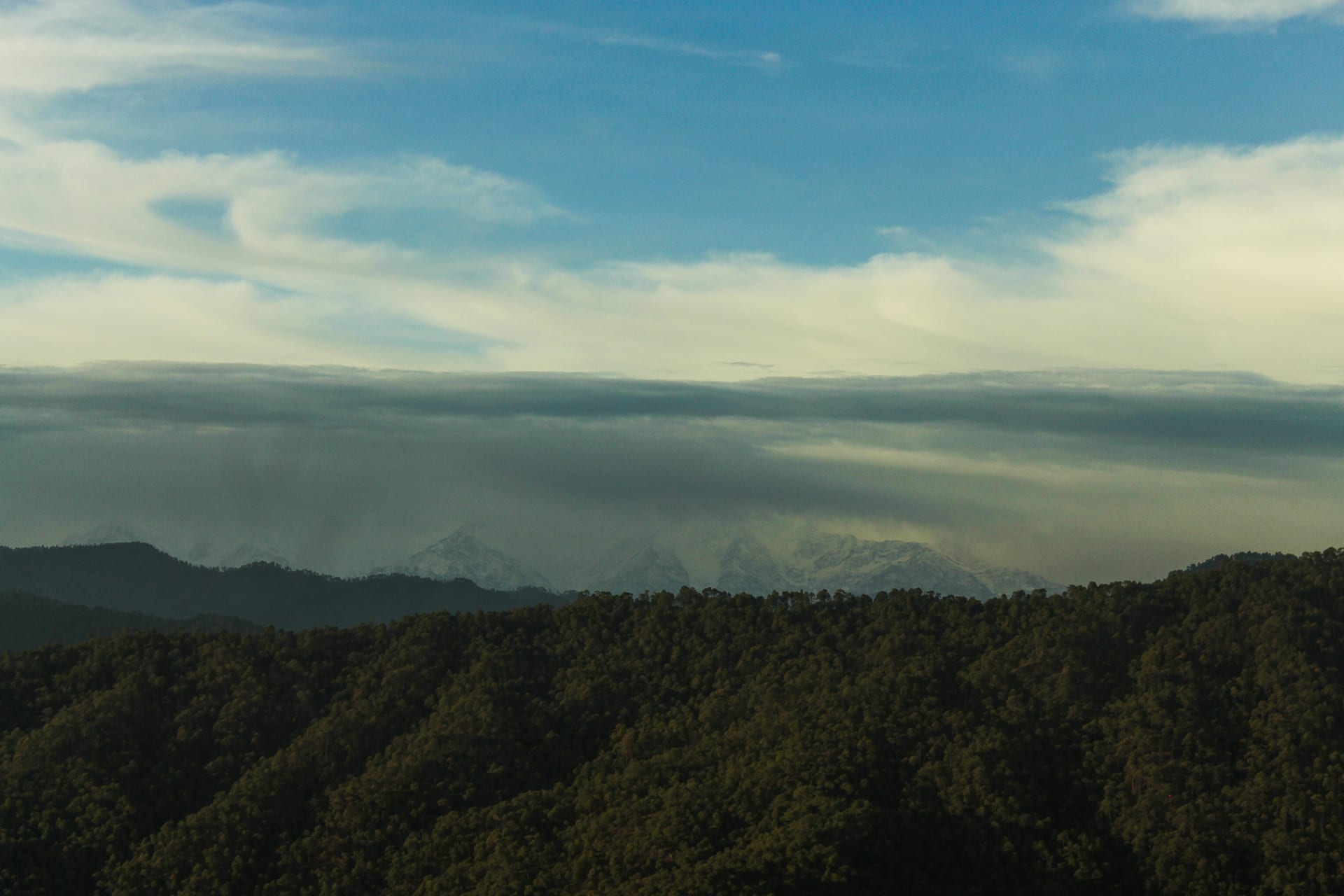
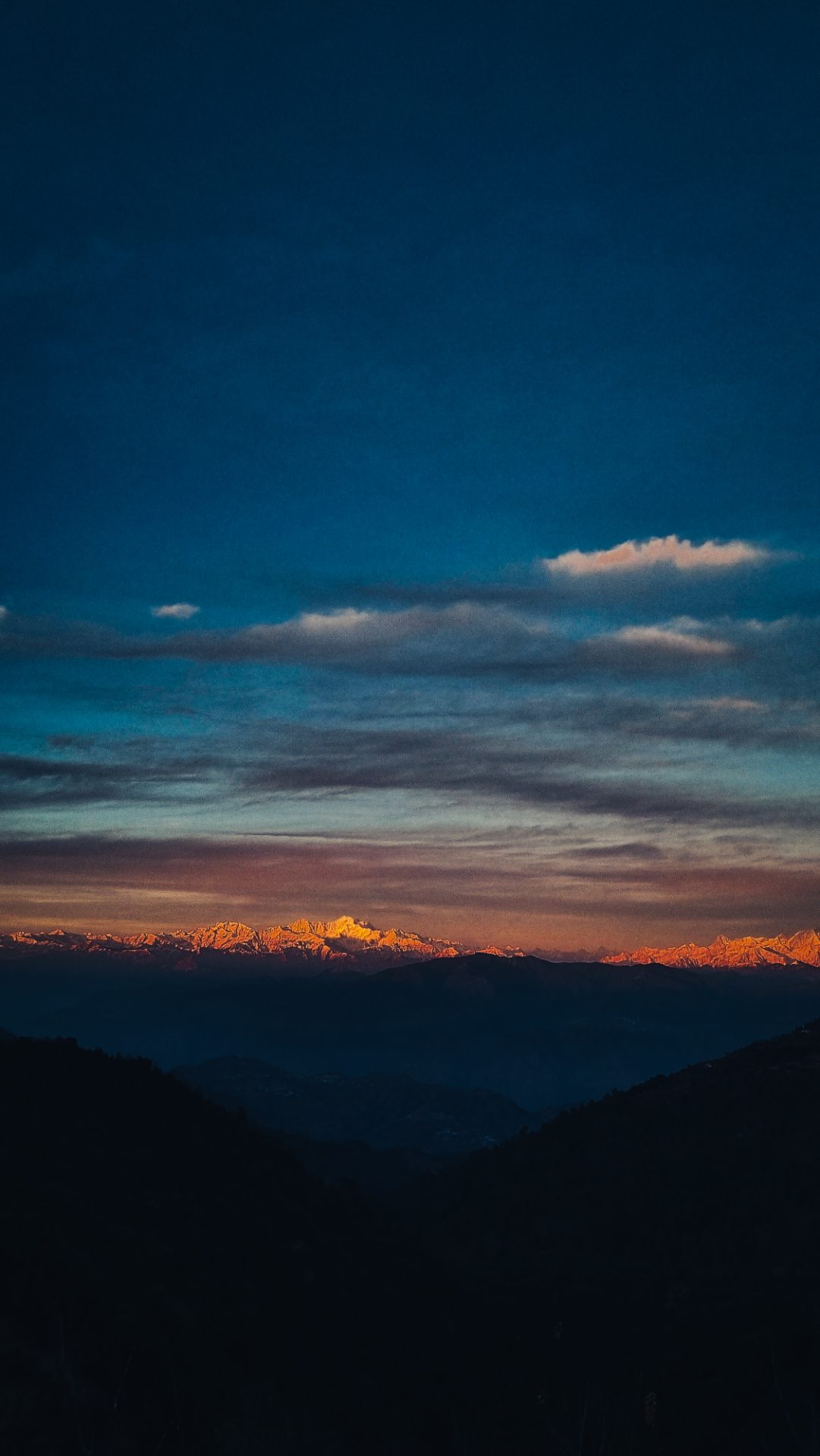
If you've searched for the best places for bird watching in Uttarakhand, chances are Binsar, Pangot, or Sattal came up first. They deserve their reputation — but tucked away in the Tehri Garhwal hills, just 8 km from Chamba town, is a quieter alternative that most birders haven't discovered yet: Nailbagi village, home to oak-pine forests, terraced farms, and mornings that begin with birdsong instead of traffic.
We're not a hotel you drive up to — we're a forest-hidden homestay you walk to. And that final stretch on foot is exactly what makes the birding here so rewarding.
Why Nailbagi Is Uttarakhand's Best-Kept Birding Secret
Most popular birding hubs in Uttarakhand — Binsar, Pangot, Sattal — sit in the Kumaon region and get busy during peak season. Nailbagi, in the Garhwal Himalayas near Chamba, offers the same Himalayan forest habitat with a fraction of the crowd.
A short forest trek through oak, pine, and rhododendron leads you into the Kaudia forest belt, where the canopy hums with activity from first light. The terrain here — mixed broadleaf and coniferous forest at roughly 1,600–1,800 metres — is prime habitat for the same family of resident and altitudinal-migrant species found across the central Himalayan foothills: laughing thrushes, minivets, sunbirds, woodpeckers, flycatchers, and pheasants like the kalij. Keep your binoculars ready on the walk in — some of the best sightings happen before you've even reached your room.
What Makes This Different From a Typical "Birding Tour" You don't need a tour bus or a jeep safari here. Birding at Nailbagi happens on foot, guided by Jitendra, a local farmer and self-taught naturalist whose knowledge of bird calls and forest trails comes from a lifetime in these hills — not a training manual. He can mimic calls, point out nests, and read the forest in a way no app or checklist can replicate.
Mornings here follow a simple rhythm: Wake to birdsong echoing across the valley A guided forest walk before breakfast, when bird activity peaks Slow, home-cooked meals made from garden and farm produce Evenings by the bonfire, swapping notes on the day's sightings
Best Time for Bird Watching Near Chamba October to March — clear skies, crisp mountain air, and the best visibility for spotting birds in the canopy March to June — spring brings blooming rhododendrons and increased breeding activity Early mornings (6–9 AM) are consistently the most active window for birding, before the forest warms up
How to Reach Nailbagi Village Nearest airport: Dehradun (Jolly Grant), approx. 78–100 km Nearest railway stations: Dehradun and Rishikesh By road: Roughly 2 hours from Rishikesh/Dehradun to Gunogi (the nearest road head), followed by a scenic ~3 km forest walk to the homestay — part of the experience, not a detour from it Comfortable walking shoes and a light daypack are recommended for the final stretch
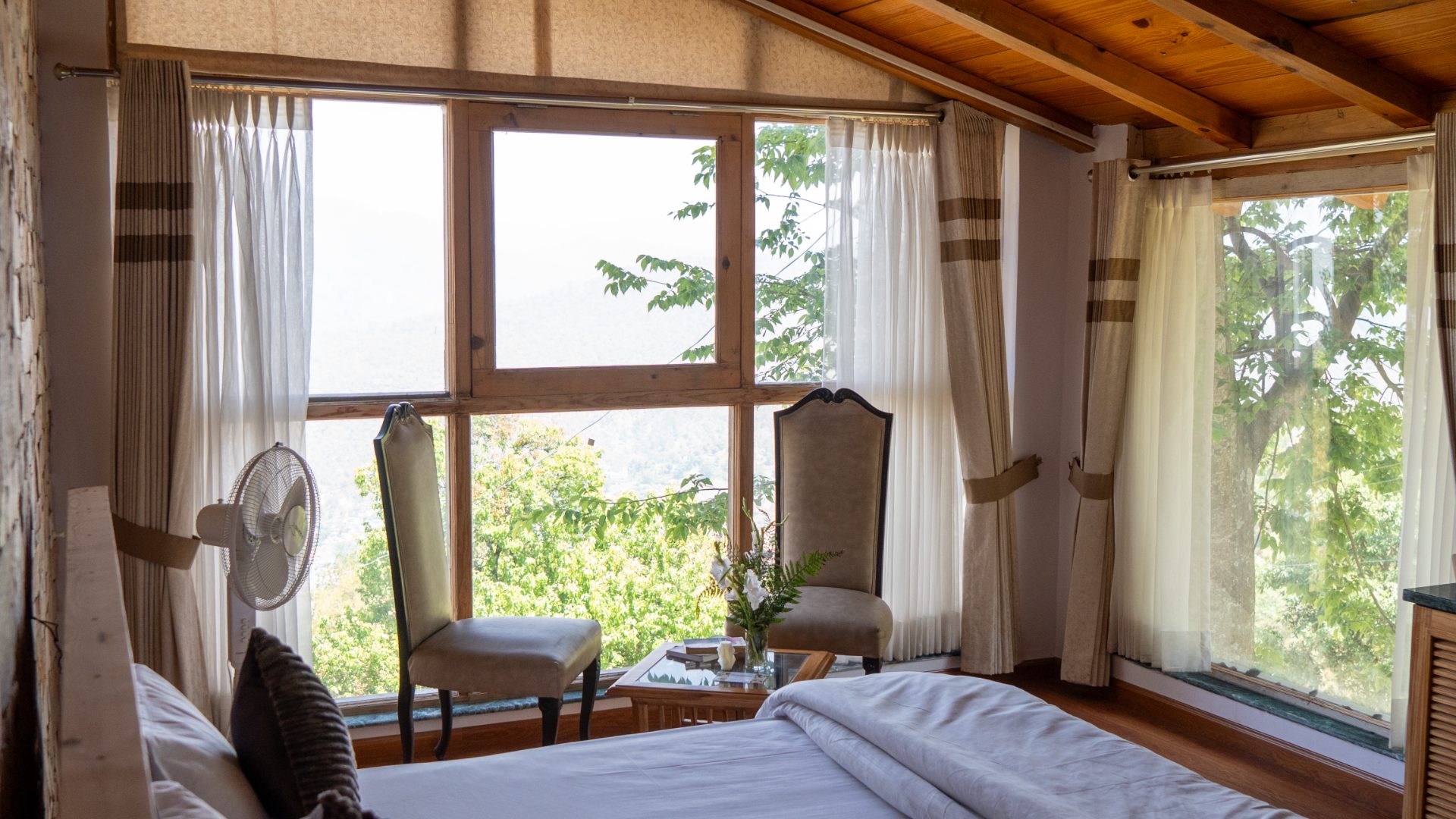
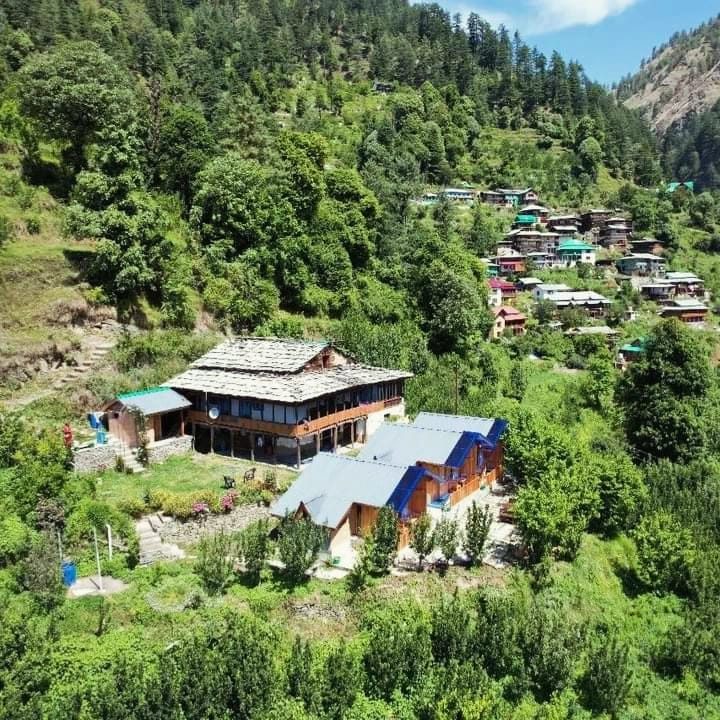
A Homestay Built the Way the Forest Wanted It This isn't a resort dropped into nature — it's a home built with it. Hand-built using mud, stone, and reclaimed materials, with no trees cut for construction, the homestay reflects the same slow, rooted way of life you'll experience during your stay. It's run entirely by the local family, with meals sourced from the garden and served the traditional Garhwali way.
Ready to Trade Traffic for Treecalls? Rooms are limited by design — we keep it small so the forest stays quiet and the birding stays good. Book directly with us for the best rate, real-time availability, and a homestay experience that no listing site can fully capture in photos.
[Check Availability & Book Direct → www.trayatistays.com]
Frequently Asked Questions Is Nailbagi the same as Binsar Wildlife Sanctuary? No — Binsar is in the Almora district of Kumaon, while Nailbagi is in Tehri Garhwal, near Chamba. Both regions offer excellent Himalayan bird watching, but they're geographically separate. Nailbagi is the better choice if you want a quieter, less-touristed experience closer to Dehradun/Rishikesh/Mussoorie.
Do I need to bring my own binoculars? It's recommended, though the homestay can advise on gear for beginners. A basic pair of binoculars, comfortable shoes, and a camera are enough to get started.
Is the homestay suitable for non-birders too? Absolutely — the forest walks, farm activities, local cuisine, and mountain views make it a great slow-travel escape even if birding isn't your main interest.
How do I get the best rate? Booking directly through our website ensures the lowest rate, no third-party commission markups, and direct communication with the host family for any special requests.
Danny Barthwal
AuthorContributing editor at Trayati Stays, documenting calm mountain retreats, architectural treasures, and mindful hospitality across India.