- Destination Focus: Curated insights and offbeat locations covered in this guide.
- Best Experienced: Slow travel, intentional homestays, and local heritage exploration.
- Trayati Recommendation: Reserve boutique accommodations in advance during peak seasons.
If there is one destination in Himachal Pradesh that has earned its reputation entirely on merit, no manufactured hype, no infrastructure overdrive, just a genuinely extraordinary place, it is Jibhi. And sitting an hour from Jibhi's centre, deep in the same valley system, is one of India's most important wild places: the Great Himalayan National Park, a UNESCO World Heritage Site.
Together, these two destinations form one of the finest travel experiences available in the Indian Himalayas. Jibhi gives you the village, the forest walks, the wooden bridges, the riverside cafés, the slow mornings, and the cultural warmth of a Himachali community that still lives close to the land. The Great Himalayan National Park gives you wilderness on an entirely different scale: 1,171 square kilometres of protected forest, alpine meadow, glacial river, and Himalayan mountain terrain, home to snow leopards, Western Tragopan, Himalayan brown bears, and over 375 species of fauna.
This guide covers both in full and tells you exactly where to stay to get the most out of them.
- Why Jibhi Belongs on Your List
Jibhi is a small wooden-cottage hamlet in the Tirthan Valley section of the Banjar Valley, Himachal Pradesh. It sits at about 1,600 metres, surrounded by dense deodar and oak forest, beside a clear mountain stream that eventually feeds into the Tirthan River.
It is not Kasol, not Kheerganga, not Triund. There are no rave nights here, no overcrowded chai shops with queues out the door. What Jibhi has instead is something closer to what those places once were before they became famous: real forest, genuine quiet, a community still in charge of its own landscape, and an accumulation of small pleasures — a wooden bridge over a rushing stream, the smell of pine in the morning air, the sound of a waterfall through the trees — that make an ordinary day feel like something worth remembering.
The fact that Jibhi is also 15–20 minutes from the entry point of the Great Himalayan National Park makes it something more than a pretty village. It makes it the best possible base for one of the finest wilderness experiences in India.
- Jibhi — Everything You Need to Know
Jibhi is one of 45 villages in the Banjar region of Kullu district. It sits at the confluence of the Jibhi stream and several forest trails, making it naturally suited as a walking and trekking base. The village itself is compact — a handful of lanes, a small market strip with cafés and local shops, and a surrounding landscape of forest, terraced farms, and mountain views.
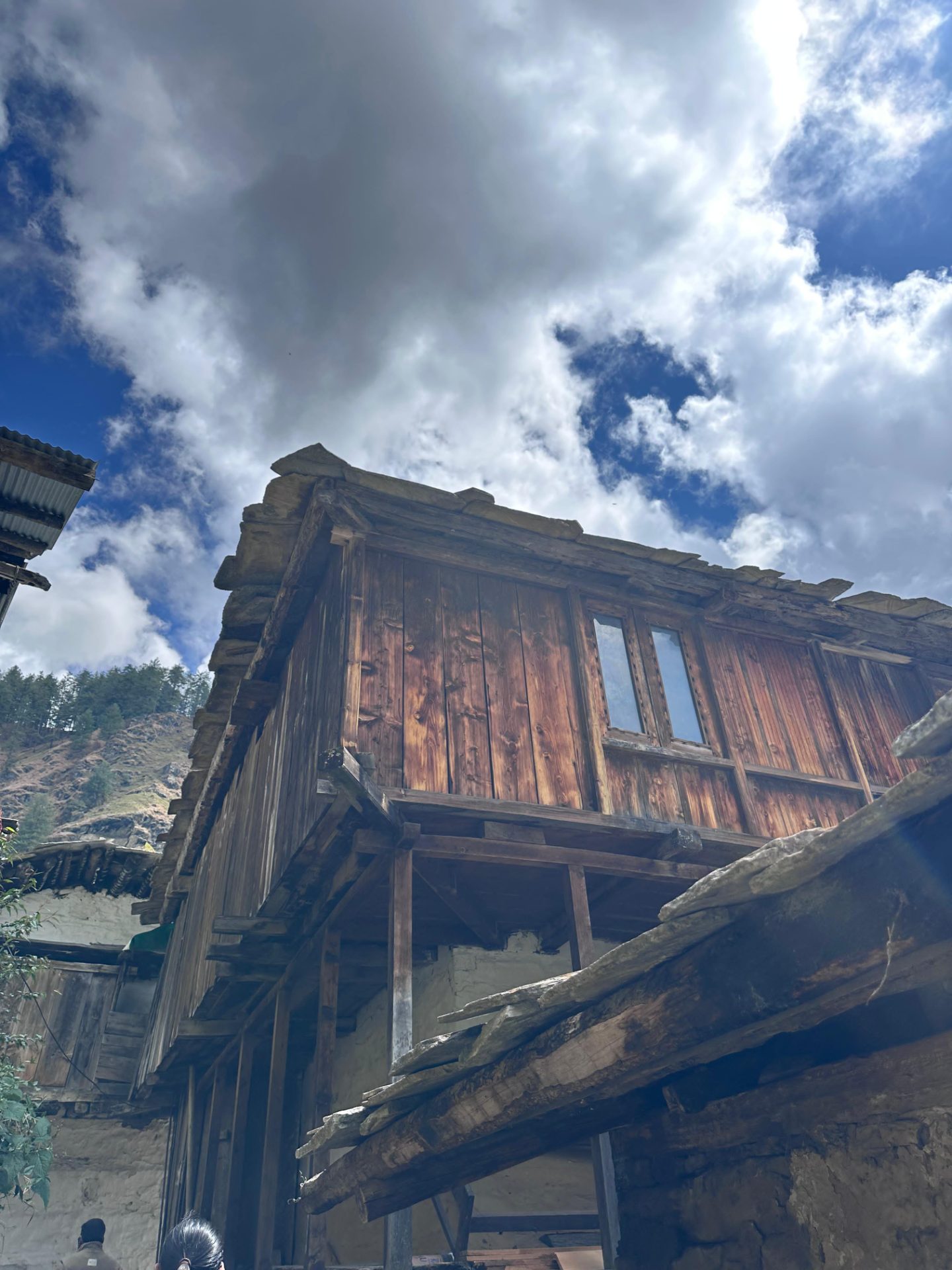
The traditional architecture here is the same Kath Kuni style found across the Banjar Valley — alternating layers of deodar timber and flat stone, assembled without cement or metal. Many of the older buildings in Jibhi and surrounding villages are centuries old and still inhabited, giving the landscape a visual coherence and historical depth that more developed hill towns have long since traded away for concrete blocks.
Jibhi sits roughly 30 km from Aut on the Manali highway, making it accessible without being on any major tourist thoroughfare.
- Top Things to Do in Jibhi
Jibhi Waterfall
The waterfall most closely associated with the village is a 20–30 minute forest walk from the main Jibhi road. The trail passes through old deodar trees on a path that crosses wooden bridges over the stream, before arriving at a cascade falling between moss-covered rocks into a clear pool.
It is most beautiful in the morning before other visitors arrive, and particularly atmospheric in the post-monsoon season when the flow is strong. Do not leave Jibhi without walking to it at least once.
Jalori Pass
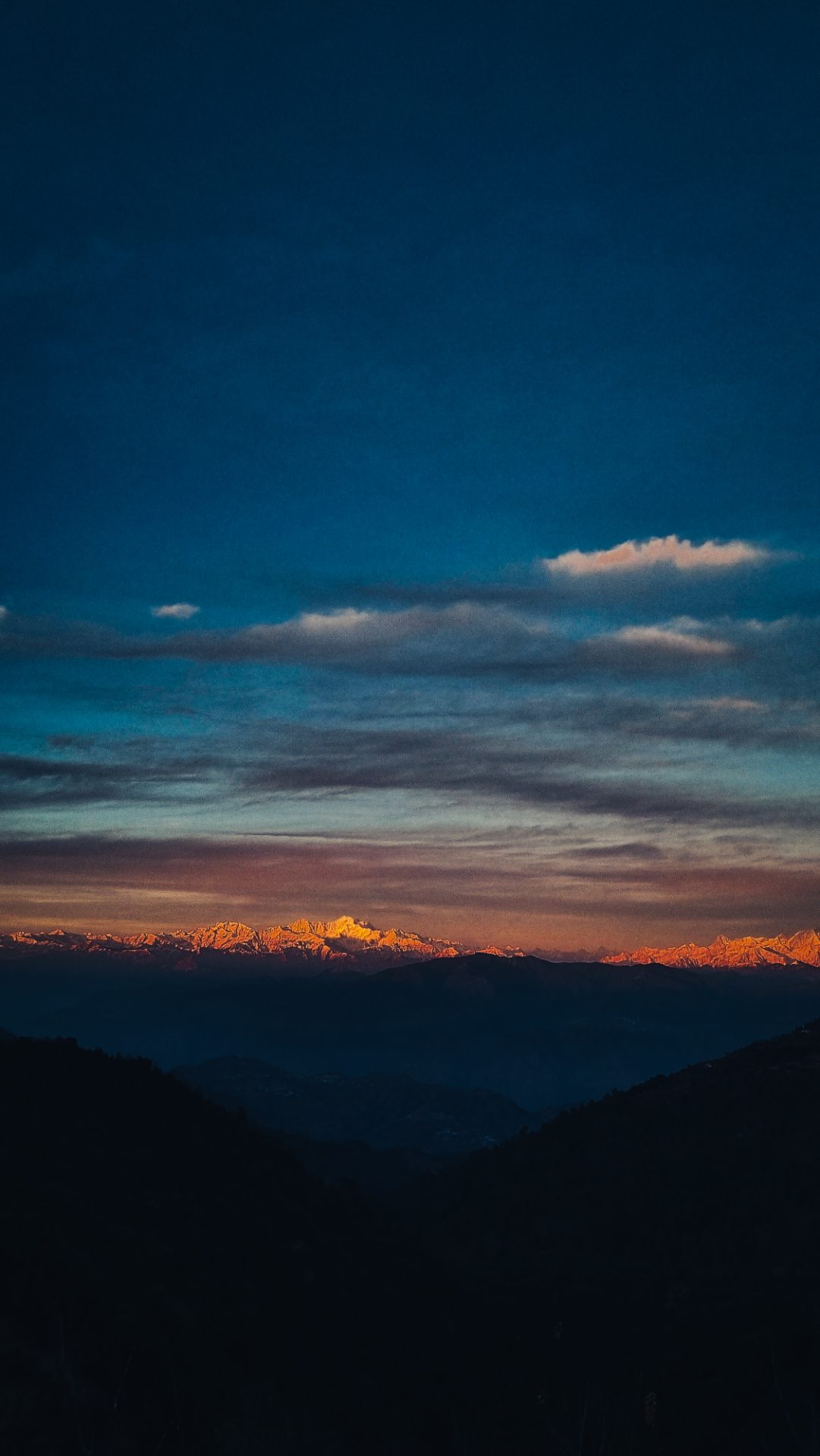
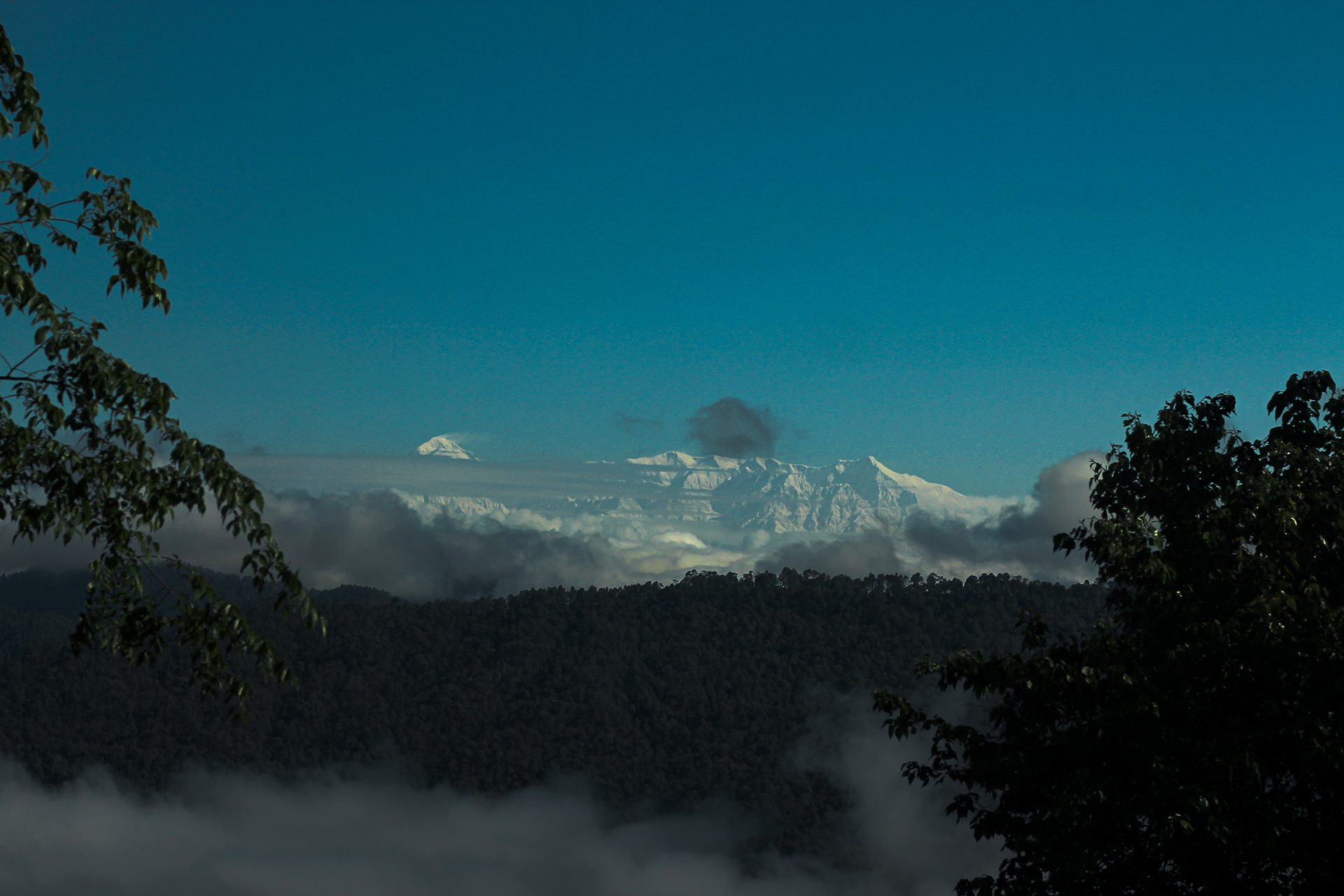
About 45–60 minutes by road from Jibhi, Jalori Pass sits at 10,800 feet and is one of the most accessible high-altitude panorama points in Himachal Pradesh. The road to the pass is open from approximately April to November (closed in winter due to snow). From the top, the view extends across the Kullu Valley to the north, the Shimla ranges to the south, and Himalayan peaks in all directions.
Jalori Pass is also the starting point for two excellent treks:
Serolsar Lake Trek — 5 km each way through dense alpine forest, gaining altitude gradually to a crystal-clear high-altitude lake at around 3,100 metres. A small temple dedicated to Budhi Nagin Mata sits at the shore. The forest along this trail is outstanding for birdwatching. Total time from Jalori Pass to the lake and back: 4–5 hours.
Raghupur Fort Trek — An alternative route from Jalori Pass to a ruined fortification at 13,123 feet, set in open meadows with 360-degree Himalayan views and wildflowers in spring. Less crowded than the Serolsar route and equally beautiful. 3–4 hours return.
Mini Thailand (Kulhi Katandi)
A naturally formed rocky pool in the Jibhi stream where centuries of water flow have carved the stone into smooth, terraced formations. The combination of clear water, white rock, and surrounding forest gives it a visual resemblance to certain Thai river landscapes, which explains the name that has stuck. It went viral on Instagram in 2022–23 and now draws a steady stream of visitors. Go early morning for the best experience and avoid the weekend rush.
Tirthan River — Fishing and Walking
The Tirthan is a Himalayan river of exceptional clarity and beauty, and one of Himachal Pradesh's premier brown trout and golden mahseer streams. Day fishing permits are available from local operators in Jibhi and Gushaini. Even without a rod, walking the Tirthan riverbank — forest on both sides, the sound of water over boulders, occasional kingfisher flashes of blue — is one of the most rewarding low-effort activities available in this valley.
Chehni Kothi
About 20 km from Jibhi near Banjar, Chehni Kothi is a 350-year-old, 12-storey fortified tower in perfect Kath Kuni style — built entirely from interlocking deodar wood and stone without a single nail, bolt, or drop of cement. It has a temple dedicated to Shiva inside and is still considered sacred by the surrounding community. One of the most remarkable buildings in Himachal Pradesh and visited by only a small fraction of the people who come to this valley.
Sojha/Shoja Village
Small traditional villages on the far side of Jalori Pass, accessible as a day excursion or an overnight extension. They sit at high altitude in open meadow terrain with extraordinary views and very few visitors. Good for an extra night if you want to push further into the mountains.
Jungle Camping and Bonfires
Several operators in Jibhi organise overnight jungle camping in the surrounding deodar forest. A tent under old-growth trees, a bonfire, complete darkness, and the sounds of the Himalayan forest at night — one of those experiences that costs very little and stays with you for a long time. Your accommodation at Latoda Forest Edge also offers bonfire arrangements for evenings on the property.
Jibhi's Cafes and Village Culture
Jibhi has developed a small but excellent café culture over recent years — warm wooden interiors, locally sourced food, good coffee, and a community of travellers, remote workers, and artists who find something in this place worth staying for. The Jibhi cafés are not a scene in the Kasol sense; they are calm, genuinely local in character, and a good place to meet people who have thought carefully about where they chose to spend their time.
- The Great Himalayan National Park — A Complete Guide
What is GHNP?
The Great Himalayan National Park is a protected wilderness area of 1,171 square kilometres in the Kullu district of Himachal Pradesh. Established in 1984 and designated a UNESCO World Heritage Site in 2014, it is one of the most biodiverse protected areas in all of Asia, covering an extraordinary altitudinal range from subtropical forest at around 1,500 metres to alpine glaciers above 6,000 metres.
Unlike most of India's national parks, GHNP has no road network inside the core zone and no vehicle-based safaris. The only way to enter and experience it is on foot, with a licensed guide and the required permit. This is not a limitation — it is the thing that makes it extraordinary. You are not looking at wildlife through the window of a jeep; you are moving through the ecosystem on its own terms.
The park encompasses four distinct valley systems: Tirthan, Sainj, Jiwa Nal, and Parvati. For travellers based in Jibhi, the Tirthan Valley entry (via Gushaini or Neuli, 15–20 minutes from Jibhi) is the most accessible and most popular.
UNESCO World Heritage Status
GHNP received its UNESCO World Heritage designation in 2014, recognised for what the citation describes as outstanding universal value in terms of biodiversity. The park contains some of the last intact Himalayan temperate forest in the western Himalayan range, and it sits within a broader conservation area that connects to adjacent protected zones in both Himachal Pradesh and across the Himalayan corridor.
This is not a routine designation. GHNP is genuinely globally significant in conservation terms — its intact forest and glacier systems are a critical water source for the river systems downstream, and its wildlife populations include species that have disappeared from most of their former range elsewhere in the world.
- Wildlife and Birdwatching in GHNP Mammals
GHNP is home to over 375 species of fauna, including some of the most sought-after and seldom-seen animals in the Himalayas.
Snow Leopard — The apex predator of the high-altitude zones. Present in GHNP but extremely rarely seen. Their presence in numbers sufficient to maintain a breeding population is itself a powerful statement about the park's ecological integrity.
Himalayan Brown Bear — Present in the mid and upper zones of the park. Active in summer and early autumn before hibernation.
Blue Sheep (Bharal) — Commonly seen on rocky high-altitude terrain, particularly on routes above the treeline. They are the primary prey of snow leopards in this region.
Himalayan Tahr — A large wild ungulate found on steep rocky slopes. Frequently seen on the Tirthan Valley route.
Serow and Himalayan Goral — Two wild goat relatives found on forested slopes and cliff faces respectively. More commonly encountered than the larger predators.
Musk Deer and Barking Deer — Both present in the mid-altitude forest zones. The musk deer is increasingly rare across its range due to poaching, but GHNP populations are protected.
Birds
GHNP is one of the finest birdwatching destinations in India. Over 181 bird species have been recorded within the park boundary.
Western Tragopan — Himachal Pradesh's state bird and one of the most critically endangered pheasants in the world. A shy, forest-interior species rarely seen outside GHNP and a small number of adjacent protected areas. Spotting one is considered among the finest birding achievements in the Indian Himalayas.
Himalayan Monal — The most spectacular bird of the Himalayan forest zone. Males are large pheasants with iridescent plumage in green, copper, and blue. Frequently seen on the Tirthan Valley route.
Koklass Pheasant and Kalij Pheasant — Both common in the mid-altitude forest. Frequently heard before they are seen.
Snow Partridge — Found in the high-altitude open zones above the treeline.
Himalayan Griffon Vulture — Soars on thermals above the valley. Also watch for Lammergeier (Bearded Vulture), Golden Eagle, and Mountain Hawk-Eagle.
Forest birds: Laughing Thrushes (multiple species), Himalayan Woodpecker, Forktail, Plumbeous Water Redstart, White-capped Water Redstart, Brown Dipper (along streams), various nuthatches, warblers, and tits.
An experienced local guide will dramatically increase both the number of species you see and your understanding of what you are looking at. Arrange a birdwatching guide through Latoda Forest Edge or at the GHNP check post.
- Trekking Routes in GHNP
All treks in the GHNP core zone require an entry permit and a licensed local guide. Permits are available at the check posts in Gushaini and Neuli (Tirthan Valley) and at the Sainj Valley entry. Plan a half-day on arrival to handle permit formalities before entering the core zone.
Tirthan Valley Trek (Entry from Neuli/Gushaini)
Difficulty: Easy to Moderate | Duration: 1–4 days depending on how far you go | Best Season: April–June, September–November
This is the most accessible GHNP trek from Jibhi and a genuinely beautiful one. The trail follows the Tirthan River from the check post at Neuli or Gushaini upstream into the core zone, through old-growth forest, over wooden bridges, and along riverbanks where the water is clear enough to count the stones on the bottom.
Day 1 destination for most trekkers is the Rolla camp, a forested clearing beside the river. From Rolla, the trail continues to Pundrik Rishi Lake and beyond. Even doing just the Neuli-to-Rolla section and back as a long day walk is deeply worthwhile — this is Himalayan forest trekking at its finest.
Rakti Sar Trek
Difficulty: Moderate to Challenging | Duration: 3–4 days | Best Season: May–June, September–October
A multi-day route climbing from the Tirthan Valley through increasingly dramatic terrain to the high-altitude Rakti Sar lake, above the treeline at approximately 4,000 metres. The upper sections cross alpine meadows with sweeping views of the surrounding peaks. Excellent wildlife observation throughout. Requires full camping equipment and a strong level of fitness.
Sainj Valley Trek
Difficulty: Moderate | Duration: 2–3 days | Best Season: May–June, September–October
Entry from the Sainj Valley side (south of the main GHNP area), less visited than the Tirthan route and equally beautiful. Dense forest giving way to high meadows. A strong choice for experienced trekkers who want solitude.
Parvati Valley Route
Difficulty: Challenging to Very Challenging | Duration: 5–7 days | Best Season: June–September only
The most remote and demanding entry point, connecting through the park to the famous Parvati Valley. For experienced trekkers with high-altitude camping experience, a licensed guide, and proper equipment. Not suitable as a first GHNP trek.
Permits and Practical Information Entry permits: available at the Gushaini or Neuli check posts, Tirthan Valley A licensed local guide is mandatory for core zone entry — this is not optional Indian nationals: approximately ₹200/person entry fee (confirm current rates at the gate) No overnight camping in the core zone without a guide and permit Motor vehicles are not permitted inside the park under any circumstances The buffer zone and ecozone around the park can be explored without a permit 7. Where to Stay — Latoda Forest Edge by Trayati Stays
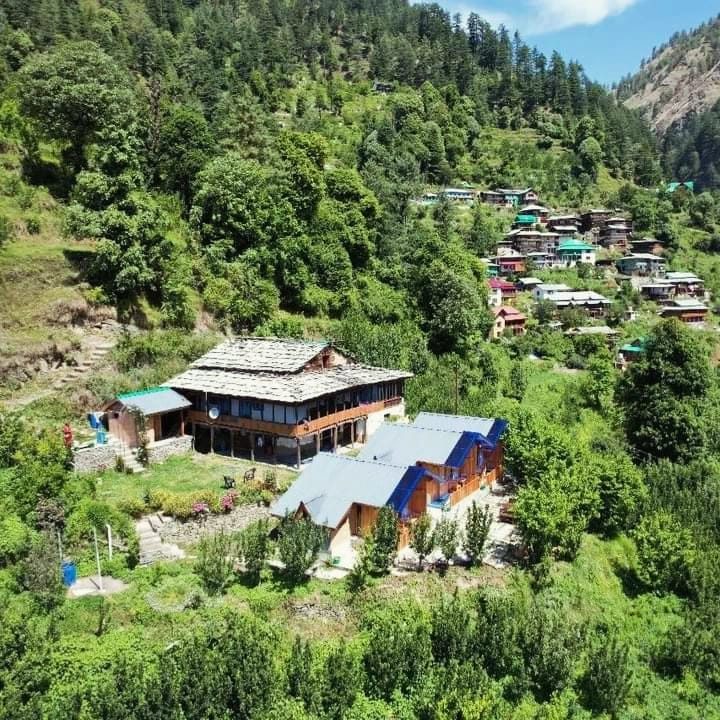
Latoda Forest Edge by Trayati Stays sits at the boundary between the village of Bhalagran and the Latoda forest — the literal edge where cultivated land ends and old-growth Himalayan forest begins. It is the ideal property for this region: close enough to Jibhi for all village amenities and café culture, and positioned directly against the forest for immediate access to wildlife, birding, and the sensory experience of the Himalayan woodland at its most unmediated.
The property: The duplex cottage design gives the stay a sense of space and elevation. The balcony faces the valley and the forested ridges opposite, and it is the kind of view that makes you restructure your morning around sitting with a cup of tea and watching the light move. Interiors are built in the wooden Himalayan style — warm, characterful, and scaled for the mountain environment. The fully equipped kitchen allows self-catering flexibility. A bonfire option transforms evenings into something memorable.
The location — what it means in practice: Step off the property and you are immediately in the Latoda forest. This is not a decorative green space — it is old-growth Himalayan woodland with the wildlife and birding that goes with it. Dawn birdwatching from the garden edge is exceptional. The Jibhi market and waterfall are 10–15 minutes away on foot or a short drive. The GHNP Tirthan Valley entry at Gushaini is 15–20 minutes. Jalori Pass is 45–60 minutes.
This makes Latoda Forest Edge functionally the best-positioned base in the region for anyone wanting to seriously engage with what Jibhi and GHNP have to offer — not just see it, but spend real time in it.
Ideal for: Trekkers using Jibhi as their GHNP base, birdwatchers and wildlife photographers, couples wanting forest immersion without complete remoteness, small groups, nature writers, remote workers who need good scenery and functioning WiFi.
To book: Contact Trayati Stays directly for rates, availability, bonfire arrangements, and guidance on permits and guides for GHNP. Book well in advance for the October–November and March–May peak windows — availability is limited and this property fills early.
- Best Time to Visit Jibhi and GHNP March to June — Best for trekking and wildlife
Spring brings wildflowers to the meadows and rhododendrons to the forest. GHNP trails become accessible from April onwards as snow recedes from lower elevations. Temperatures in Jibhi are ideal for walking. Jalori Pass opens (usually April) and the Serolsar Lake trek comes into prime condition. This is the most popular season for GHNP trekking — book accommodation and arrange guides in advance.
September to November — Best overall
The monsoon clears in September and leaves the landscape dramatically green, the rivers running full, and the mountain air sharpened and clear. Apple season is in full swing. GHNP is at its most photogenic. Temperatures are perfect for all activities. Crowds are thinner than spring in Jibhi itself. This is arguably the finest window for a complete experience of both destinations.
December to February — Snow, silence, limited access
Jibhi receives snowfall from December through February. Jalori Pass is closed (typically November to April). GHNP core zone access is restricted. The valley experience is beautiful for travellers who embrace winter — bonfires, snow-covered deodar forest, deep quiet, and the Jibhi stream running clear and cold. Not recommended if GHNP trekking is your primary goal.
July to August — Monsoon, approach with caution
Heavy rainfall, slippery trails, and active landslide risk on mountain access roads. GHNP trekking is not advised. The forest is spectacularly lush and the Tirthan runs fast and full. Experienced travellers who accept the limitations find the valley deeply atmospheric. The Jibhi waterfall is at its most powerful.
- How to Reach Jibhi
The practical gateway to Jibhi is Aut, a small town on the Manali Highway approximately 30–32 km from Jibhi.
By Air Kullu–Manali Airport (Bhuntar) is the nearest airport, approximately 48 km from Jibhi. Flights connect from Delhi, Chandigarh, and Mumbai. Taxis from the airport to Jibhi take approximately 60–75 minutes.
By Bus from Delhi HRTC and private Volvo operators run overnight buses from Delhi (ISBT Kashmere Gate) to Aut. Journey time: 11–13 hours. From Aut, local buses and shared taxis run regularly to Banjar and Jibhi (30–45 minutes).
By Road — Self Drive Delhi to Jibhi: approximately 510 km via NH44 → Chandigarh → Bilaspur → Mandi → Aut → Banjar → Jibhi. Driving time: 10–12 hours. The road is well-maintained national highway for most of the distance, becoming mountain road after Aut.
From Shimla: approximately 200 km via Narkanda and Anni, 5–6 hours. From Manali: approximately 100 km via Kullu and Aut, 2.5–3 hours. From Chandigarh: approximately 260 km, 6–7 hours.
By Train The nearest significant railheads are Chandigarh, Kalka, and Joginder Nagar. From any of these, hire a taxi or take a bus to Aut or Banjar.
- A 5-Day Jibhi and GHNP Itinerary Day 1 — Arrive and Settle Into the Forest
Reach Jibhi by afternoon. Check into Latoda Forest Edge by Trayati Stays. Walk the forest edge in the late afternoon — this is excellent birding territory from 4–6 PM. Arrange your GHNP guide and permit logistics for Day 3 with your hosts (they can facilitate this). Bonfire in the evening. Early night.
Day 2 — Jibhi Exploration Day
Morning: walk to Jibhi Waterfall (30 minutes through forest, beautiful at dawn). Explore the village lanes, the Kath Kuni buildings, and the small café strip. Midday: Mini Thailand rock pools on the Jibhi stream — go before noon to beat day visitors. Afternoon: Tirthan River walk from Gushaini back toward Jibhi, following the riverbank through forest. Evening: dinner at a Jibhi café or back at the property. Bonfire.
Day 3 — Great Himalayan National Park, Tirthan Valley
Early start (6:30 AM). Drive to Neuli or Gushaini (15–20 minutes). Collect permit at the check post and meet your licensed guide. Trek into the GHNP core zone via the Tirthan Valley route. Target: Rolla camp and surrounding forest, following the river upstream. Exceptional birdwatching throughout — your guide will help with identification. Return by late afternoon. This is a full day of active walking (10–14 km depending on how far you go). Carry food, water, and layers.
Day 4 — Jalori Pass and Serolsar Lake
Early start (7 AM). Drive to Jalori Pass (45–60 minutes). Begin the Serolsar Lake trek from the pass: 5 km each way through dense alpine forest, arriving at the lake in 2.5–3 hours. Rest at the lake — it is extraordinarily quiet and clear. Visit the small Budhi Nagin Mata temple at the shore. Return to Jalori Pass by early afternoon. Option: continue to Raghupur Fort meadows instead of the lake (different trail from the pass, equally worthwhile). Return to Latoda Forest Edge by late afternoon.
Day 5 — Chehni Kothi and Departure
Morning: drive to Chehni village (~20 km) to visit the 12-storey Kath Kuni tower — one of the most remarkable traditional buildings in Himachal Pradesh. Allow 1.5–2 hours. Return through Banjar town for any last shopping or ATM visit. Depart after lunch — the road from Banjar to Aut takes about 45 minutes in good conditions.
- Local Food and What to Pack What to Eat
Siddu — Himachal Pradesh's most distinctive dish. A leavened wheat bread, steamed and stuffed with walnut paste, poppy seeds, or black gram. Served with ghee or coriander chutney. Available in most Jibhi homestays and local restaurants. Every version is slightly different and worth trying.
Chana Madra — Slow-cooked chickpea curry in a yoghurt, cinnamon, and cardamom base. A Kullu Valley staple that appears on almost every local menu.
Fresh Tirthan Trout — Pan-fried or grilled, sourced the same morning from the river. Available in riverside eateries near Gushaini and Banjar. This is the single most locally specific food experience available in the valley and not to be skipped.
Babru — A black gram-stuffed flatbread, pan-fried and eaten at breakfast with pickle or curd. Simple, filling, and a genuine Himachali classic.
Apple Cider and Fresh Juice — The Banjar Valley is apple country. Local cider and fresh-pressed juice are increasingly available in Jibhi's cafés, made from fruit grown in the surrounding orchards.
Momos and Thukpa — Tibetan influence is strong in the Jibhi café scene. Steamed dumplings and broth-based noodle soup are easy to find and excellent for warming up after a cold trek day.
What to Pack Warm layering system — mornings and evenings are cold even in June; nights can be 5–8°C Waterproof jacket — weather changes fast at altitude Sturdy trekking shoes with ankle support for GHNP trails Binoculars — essential for birdwatching in GHNP and around Latoda forest Sunscreen and sunglasses — UV intensity at altitude is deceptively high Refillable water bottle — stay hydrated on all treks Cash — ATMs are available in Banjar town; none inside GHNP or at the check posts Headlamp — useful in the forest at dawn/dusk and during any power cuts Personal first-aid kit with ibuprofen, blister care, and altitude sickness tablets Field guide to Himalayan birds (Grimmett and Inskipp is the standard reference) Snacks for full-day GHNP treks — carry enough for the duration as there are no shops inside the park 12. Nearby Attractions
Laida Village (~20–30 minutes by road) The quieter, higher, and more remote companion to Jibhi. A traditional pahadi village with apple orchards, Kath Kuni architecture, a signature hilltop trek to Kelotandi Peak, and a character entirely its own. An excellent day excursion from Jibhi or a natural pairing for a longer Banjar Valley trip — where Latoda Forest Edge by Trayati Stays serves the Jibhi side, Laida Heaven Homestay by Trayati Stays covers the village immersion experience.
Tirthan Valley (Gushaini and surrounds, ~10–15 minutes) The broader Tirthan Valley extends south and north of Jibhi, with riverside camps, fishing spots, and GHNP buffer zone walks. The village of Gushaini is the GHNP gateway and has a handful of eco-stays.
Banjar Town (~15 km) The administrative centre of the region. ATMs, pharmacies, a weekly market, and a bustling Himachali bazaar. Worth visiting to stock up and see the functional life of the valley.
Shangarh Meadows (~45 km from Jibhi) A hidden alpine meadow in the Sainj Valley, one of the most beautiful and least visited places in the Banjar region. Accessible by road to the Sainj Valley entry and then on foot. Ask locally for current access conditions.
Kullu Town (~90 km) The regional capital and main transport hub, famous for the Kullu Dussehra festival in October — one of the most spectacular cultural events in Himachal Pradesh, drawing participants from villages across the entire Kullu Valley.
- Frequently Asked Questions
What is the difference between Jibhi and Tirthan Valley? Jibhi is a specific village in the Tirthan Valley region. Tirthan Valley refers to the broader valley system through which the Tirthan River flows. When people say they are visiting the Tirthan Valley, they usually mean the cluster of villages including Jibhi, Gushaini, Banjar, and the surrounding area. Jibhi is the most well-known of these villages and serves as the natural hub for the region.
Do I need a permit to enter the Great Himalayan National Park? Yes. To enter the core zone of GHNP you need an entry permit (available at the Gushaini or Neuli check posts, Tirthan Valley entry) and a licensed local guide, which is mandatory. Entry into the ecozone and buffer areas around the park does not require a permit. Entry fees are approximately ₹200/person for Indian nationals — confirm current rates at the park gate on arrival.
Is a guide mandatory for GHNP and where do I find one? Yes, a licensed guide is mandatory for core zone entry — this is a park regulation, not a suggestion. Guides are available at the GHNP check posts. You can also arrange in advance through Latoda Forest Edge by Trayati Stays, which is recommended as it ensures a good, experienced guide and avoids any uncertainty on the day of your trek.
Is Jalori Pass accessible in winter? No. Jalori Pass is typically closed from November to April due to snow. Opening dates vary by year depending on snowfall. Current status can be checked with local contacts or your accommodation. Do not plan a Jalori Pass excursion without confirming road conditions first.
What level of fitness do I need for the GHNP Tirthan Valley trek? The basic Tirthan Valley day trek (Neuli to Rolla camp and back, approximately 10–14 km) requires a reasonable level of fitness but no technical skills. You should be comfortable walking for 5–6 hours on uneven forest terrain. For longer multi-day routes (Rakti Sar, Sainj Valley), a higher fitness level and prior trekking experience are recommended.
Can I see snow leopards in GHNP? Snow leopards are present in GHNP's high-altitude zones and the park is considered one of the more reliable habitats for the species in the Western Himalayas. However, sightings are extremely rare — these are shy, solitary, cryptic animals that operate in difficult high-altitude terrain. The realistic expectation for most visitors is to walk through an intact ecosystem that supports snow leopards, which is itself extraordinary. Signs — pugmarks, scrapes, prey kills — are more often encountered than the animal itself.
What wildlife am I most likely to see in GHNP? On the Tirthan Valley route, the most commonly encountered species are Himalayan Monal, Koklass Pheasant, barking deer, Himalayan Tahr, Serow, and a wide variety of forest birds. The Western Tragopan — Himachal's state bird and one of the rarest pheasants in the world — is present in GHNP and occasionally seen by birders who spend significant time in the forest with an experienced guide.
Is Latoda Forest Edge the right base for both Jibhi and GHNP? Yes. Latoda Forest Edge by Trayati Stays is positioned specifically to serve both destinations. It is 10–15 minutes from Jibhi village and 15–20 minutes from the GHNP Tirthan Valley entry at Gushaini. Jalori Pass is 45–60 minutes. The property's forest-edge setting also provides direct access to birds and wildlife without needing to go anywhere at all.
How do I book Latoda Forest Edge by Trayati Stays? Book directly through Trayati Stays for the best rates, personalised guidance on GHNP permits, guide arrangements, trek logistics, and bonfire bookings. The property has limited availability and the September–November and March–June windows book up well in advance.
Ibn-e-Batuta
AuthorContributing editor at Trayati Stays, documenting calm mountain retreats, architectural treasures, and mindful hospitality across India.