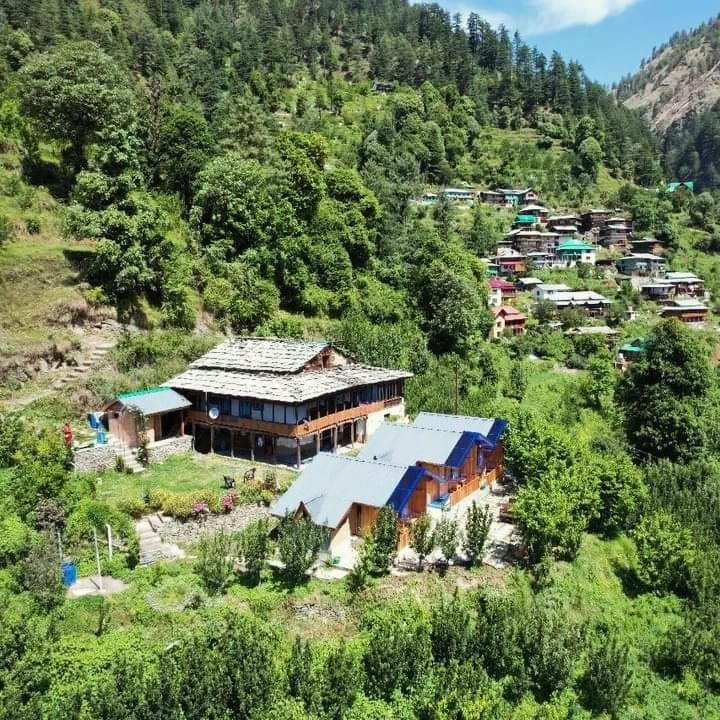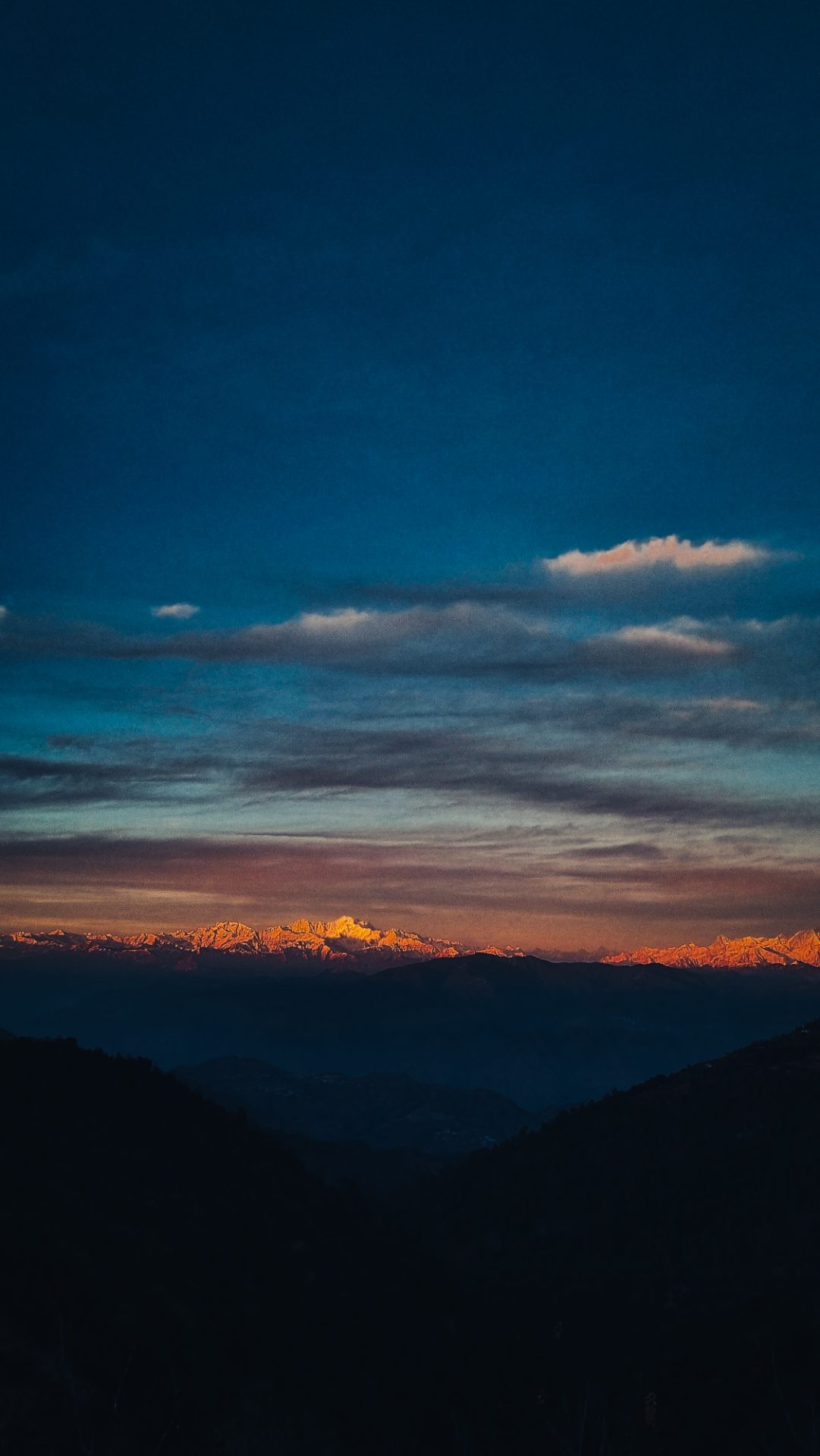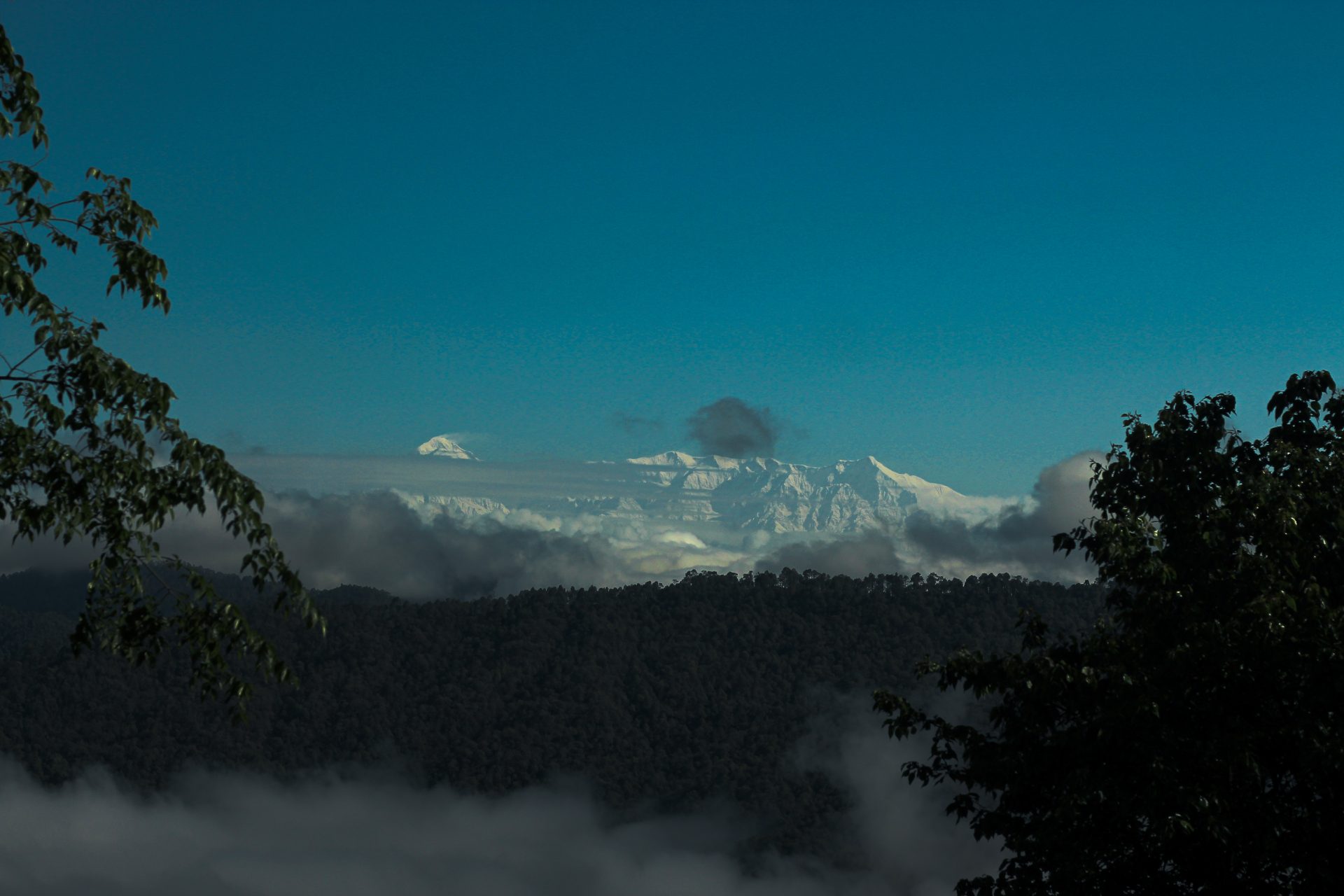
- Destination Focus: Curated insights and offbeat locations covered in this guide.
- Best Experienced: Slow travel, intentional homestays, and local heritage exploration.
- Trayati Recommendation: Reserve boutique accommodations in advance during peak seasons.
Beyond the Temple Bells and Monasteries: Discover the Other Dharamshala
There is a familiar version of Dharamshala that most travellers discover first.
It begins with the prayer flags of McLeod Ganj, the sound of temple bells, Tibetan monasteries, cafés overlooking the mountains and the famous trail to Triund.
But stay a little longer, turn away from the busiest roads and follow the smaller mountain paths, and another Dharamshala begins to appear.
There are quiet tea gardens beneath the Dhauladhar, forest trails where the sound of traffic disappears, tiny villages tucked into the hills, secluded waterfalls, traditional Tibetan craft spaces and viewpoints where the mountains seem much closer than they do from the usual tourist stops.
This is the Dharamshala worth discovering slowly.
Here is a local-style guide to some of the best hidden places in Dharamshala and the experiences that reveal the quieter side of Kangra Valley.
1. Walk Through the Tea Gardens of Dharamshala
If your idea of Dharamshala is only monasteries and mountain cafés, the tea gardens may come as a surprise.
The Kangra region has a long tea-growing history. Tea Board India places Kangra tea cultivation at approximately 900–1,400 metres above sea level and notes that the region's first flush is known for its distinctive aroma and fruity character. Kangra Tea is also a registered Geographical Indication.
Instead of simply buying a packet of Kangra tea, experience where it comes from.
Walk between rows of tea bushes while the Dhauladhar rises behind the valley. The atmosphere is particularly different early in the day, when the hills can still hold a layer of mist.
For travellers who want a more immersive experience, the Dharmsala Tea Company offers guided tea-garden and factory tours, tea tasting and even private tea picnics. Their garden tours typically take around an hour and need to be arranged in advance.
The result is less of a sightseeing stop and more of a glimpse into the agricultural heritage of Kangra.
Local tip: Don't rush this experience. Pair a tea-garden walk with a slow breakfast and give yourself a few hours.
2. Escape to Norbulingka Institute in Sidhpur
Norbulingka is not exactly undiscovered, but it remains one of the easiest places to miss if you spend your entire trip around McLeod Ganj.
Located in Sidhpur, roughly 7 km from Dharamshala, the institute was established to preserve and promote traditional Tibetan arts, crafts and culture.
What makes it special is the setting.
The complex is surrounded by gardens, streams, ponds, trees and traditional Tibetan architecture. Norbulingka describes its gardens as a landscape of streams, boulders, ponds and native plants, with abundant birdlife.
You can watch artisans practising traditional crafts, explore the temple, wander through the gardens and have a meal surrounded by greenery.
The Norling Restaurant is also located within the gardens and serves Tibetan, Indian and vegetarian fusion food.
Why visit: It combines Tibetan culture, architecture, art and nature without the crowds associated with the main McLeod Ganj circuit.
3. Follow the Forest Trails Around Dharamkot
Dharamkot has become popular with backpackers, yoga travellers and long-stay visitors, but its forest paths still offer something the main market cannot.
Leave the cafés behind and walk into the pine and oak forests.
The landscape changes quickly. Concrete buildings give way to trees, birdsong and occasional openings through which the Dhauladhar range appears.
One of the reasons Dharamkot is an excellent base for slow travel is its proximity to several mountain trails. Himachal Pradesh Tourism identifies the Galu Devi Temple near Dharamkot as an important starting point for the demanding Indrahar Pass trek.
You don't have to attempt Indrahar Pass to enjoy the area.
A short forest walk can be enough.
Local tip: Start early, carry water and avoid wandering onto unfamiliar mountain trails after dark. For longer hikes, use a local guide.
4. Look for Gallu Waterfall Instead of Chasing the Crowds
Bhagsu Waterfall is one of Dharamshala's most recognisable attractions, and for good reason. But if you're looking for a quieter waterfall experience, explore the lesser-known cascades around the Dharamkot and Galu area.
Gallu Waterfall is particularly appealing because the journey is part of the experience: forest, rocks, mountain air and the sound of running water gradually replace the noise of the town.
Current local destination listings describe Gallu Waterfall as a quieter forest waterfall near Dharamkot, suitable for a peaceful hike.
Don't expect a major tourist attraction with elaborate facilities. That's precisely the point.
Come for the walk, sit beside the water and let the forest do the rest.
5. Find a Different View of the Dhauladhar at Indru Nag
For one of the more unusual viewpoints around Dharamshala, head towards Indru Nag.
Himachal Pradesh Tourism describes the hilltop temple as being approximately 5 km from Dharamshala and highlights its broad views across the Dhauladhar range, Dharamshala and the Kangra Valley.
The appeal is not simply the viewpoint.
It's the perspective.
From here, Dharamshala spreads below you while the enormous Dhauladhar range forms the backdrop. On a clear day, the contrast between the green valley and the rocky mountain wall is striking.
This is a particularly good place to visit if you want panoramic views without making a full-day trek.
6. Spend an Hour Doing Absolutely Nothing in Naddi
Naddi is no longer a secret, but it remains one of the best places to slow down.
Instead of treating Naddi View Point as a quick photography stop, arrive before sunset and stay.
Watch the light change across the mountains. Sit quietly. Have tea. Walk through the village roads. Let the evening arrive rather than trying to photograph every minute of it.
The real attraction is not a single monument or activity. It is the combination of altitude, open views and slower village life.
Best experience: sunset followed by a quiet dinner rather than immediately returning to McLeod Ganj.
7. Discover Lhagyal Ri and Take a Different Kind of Walk
Near McLeod Ganj is a much quieter experience for travellers interested in Tibetan Buddhist culture without joining the busiest tourist circuit.
Lhagyal Ri is a hill associated with a circumambulatory path, prayer wheels, stupas and prayer flags. Norbulingka's tourism information describes it as a peaceful place for walking, reflection and contemplation, with views towards the Dhauladhar and Kangra Valley.
This is not an attraction you need to rush through.
Walk the kora respectfully. Observe the prayer wheels. Listen to the surroundings.
It offers something very different from simply visiting a monastery, because you experience the landscape and spiritual traditions together.
8. Go Deeper: Kareri Village and Kareri Lake
For travellers who want genuine mountain adventure, Kareri is where the definition of "hidden" becomes more serious.
Kareri Lake sits at approximately 2,934 metres and is a major trekking destination in the Dhauladhar. The Kangra district administration describes the lake as a scenic high-altitude destination and notes that it can remain frozen during winter into March or April.
The trail begins from Kareri village and moves through forests, rocky sections and mountain terrain before reaching the lake.
This is not a casual sightseeing excursion.
The official district information places Kareri Lake around 40 km from Dharamshala by road, with Kareri village serving as the starting point for the trek.
If you're inexperienced with Himalayan trekking, weather and trail conditions matter. Consider hiring a local guide rather than treating the route like an ordinary tourist walk.
The reward is a very different Dharamshala: quieter, wilder and far removed from the cafés of McLeod Ganj.
9. Spend Time in Sidhpur Rather Than Just Passing Through
Sidhpur is one of those areas that demonstrates why Dharamshala should not be reduced to McLeod Ganj.
It combines Tibetan culture, rural landscapes, traditional architecture and the quieter rhythm of the Kangra Valley.
Norbulingka alone makes the area worth exploring, but the broader experience is simply walking around and noticing how quickly the landscape changes once you move away from the central tourist areas.
This is the side of Dharamshala where rice paddies, streams, gardens and mountain settlements become part of the travel experience.
Norbulingka itself was developed among streams and former agricultural land, with its gardens incorporating the natural landscape of the area.
10. Visit a Smaller Monastery — Not Just the Famous Ones
Dharamshala's Tibetan Buddhist heritage is much broader than the main monastery circuit.
The region around Sidhbari is home to Gyuto Monastery, which Himachal Pradesh Tourism identifies as the residence of the Karmapa and an important destination for Tibetan refugees and visitors.
There are also quieter religious spaces and communities around the wider Dharamshala area.
The important thing is how you visit them.
Don't treat monasteries as photo backgrounds.
Dress appropriately, keep your voice low, observe local rules and avoid photographing people during prayer or religious activities without permission.
The experience becomes much more meaningful when you approach it as a cultural space rather than simply another attraction.
11. Take the Slow Route Through Kangra Valley
One of the biggest mistakes visitors make is treating Dharamshala as a checklist.
Temple.
Monastery.
Waterfall.
Triund.
Café.
Hotel.
Repeat.
Instead, reserve one day for the surrounding Kangra Valley.
The wider region contains historic sites, villages, tea landscapes and cultural attractions. Himachal Pradesh Tourism highlights places including Kangra Fort, Chamunda Devi, Pragpur and other destinations across Kangra district.
Kangra Fort, for example, is only around 21 km from Dharamshala according to Himachal Tourism and combines mountain scenery with a deep regional history.
For travellers interested in heritage rather than crowds, this can be one of the most rewarding ways to extend a Dharamshala trip.
A Perfect 3-Day Offbeat Dharamshala Itinerary
If you have three days and want to experience Dharamshala beyond the standard tourist route, try this:
Day 1 — The Quiet Cultural Side
Morning: Explore Sidhpur and Norbulingka Institute.
Afternoon: Have lunch in the gardens and spend time exploring the surrounding area.
Evening: Head towards Naddi for sunset.
Night: Return to Dharamkot or McLeod Ganj for dinner.
Day 2 — Forests, Villages and Water
Morning: Start with a forest walk around Dharamkot.
Late morning: Explore the Galu/Gallu area and its waterfall trails.
Afternoon: Take a slow drive towards Indru Nag or another elevated viewpoint.
Evening: Return to Dharamkot and spend the evening at one of its quieter cafés.
Day 3 — Mountains
For experienced trekkers: Start the Kareri Lake journey with appropriate preparation.
For casual travellers: Explore the Kangra Valley, tea gardens or nearby heritage destinations instead.
The key is not trying to see everything.
Dharamshala rewards travellers who leave empty space in their itinerary.
When Is the Best Time to Explore Dharamshala's Hidden Places?
The answer depends on what you want to do.
March to June is generally attractive for pleasant mountain weather, greenery and outdoor exploration.
July to September brings monsoon conditions. The landscape becomes intensely green, but rain can affect mountain roads and trekking trails. Check local conditions before heading into the hills.
October to November can be excellent for clearer mountain views and comfortable walking conditions.
December to February brings colder weather and the possibility of snow at higher elevations. Kareri Lake and other high-altitude routes require substantially more preparation during winter.
For trekking, don't rely on a generic "best time to visit Dharamshala" recommendation. Check the current trail, weather and local access conditions immediately before departure.
How to Experience Dharamshala Like a Local
The best way to discover the hidden side of Dharamshala isn't to find the most obscure location on Google Maps.
It is to change your pace.
Wake up early.
Walk instead of driving whenever practical.
Eat local food.
Talk to residents and small business owners.
Spend an afternoon in one village instead of visiting five attractions.
Carry a reusable water bottle.
Don't leave plastic behind.
And remember that many of these "secret" places are not empty playgrounds for tourists. They are forests, villages, farms, monasteries and religious spaces where people live and work.
Respect the place and it will reveal much more to you.
The Dharamshala Most Tourists Never See
The magic of Dharamshala isn't confined to its famous monasteries or the crowds of McLeod Ganj.
It is in the smell of wet pine after rain.
It is in a cup of Kangra tea with the Dhauladhar behind it.
It is in a narrow village road where you suddenly realise you haven't heard a car for ten minutes.
It is in prayer flags moving above a quiet trail.
It is in a forest waterfall reached after taking the wrong turn — and deciding not to turn back.
And sometimes, it is simply sitting on a mountain at sunset with nowhere else to be.
So the next time you visit Dharamshala, don't just ask, "What should I see?"
Ask:
"Where can I slow down?"
That is where the real mountain magic begins.
Quick Guide: Dharamshala Hidden Gems
PlaceBest ForTime NeededDifficultyNorbulingka, SidhpurTibetan culture & gardens2–3 hrsEasyKangra Tea GardensTea, photography & slow travel2–3 hrsEasyDharamkot Forest TrailsWalking & nature1–3 hrsEasy–ModerateGallu WaterfallShort forest escape1–2 hrsModerateIndru NagMountain views1–2 hrsEasyNaddiSunset & village atmosphere2–3 hrsEasyLhagyal RiQuiet spiritual walk1–2 hrsEasyKareri LakeHimalayan trekking1–3 days+Moderate–HardKangra ValleyHeritage & rural explorationFull dayEasy
Tenzin Dorje
AuthorContributing editor at Trayati Stays, documenting calm mountain retreats, architectural treasures, and mindful hospitality across India.